


Report on Cyber Safety Awareness Workshop

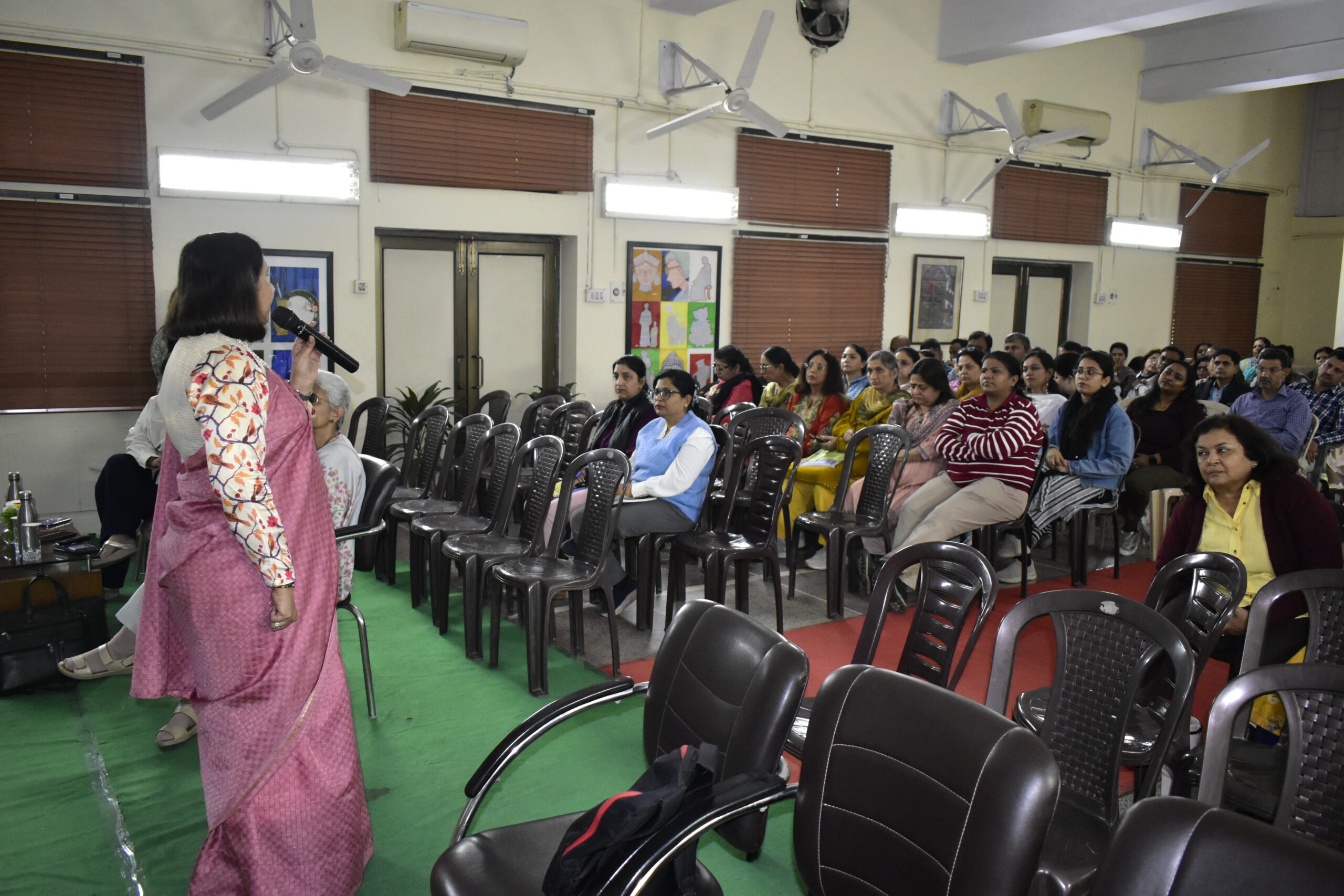
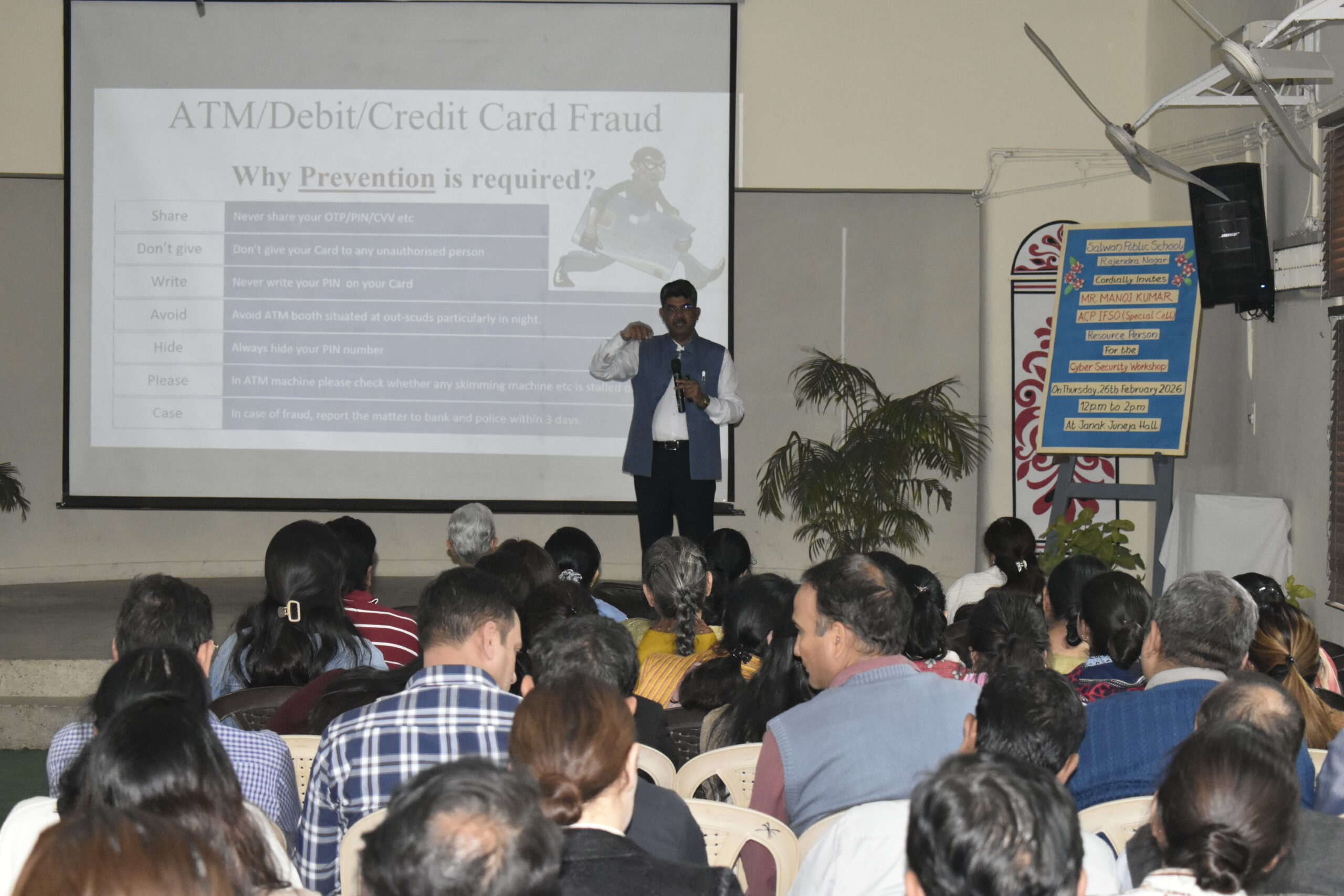
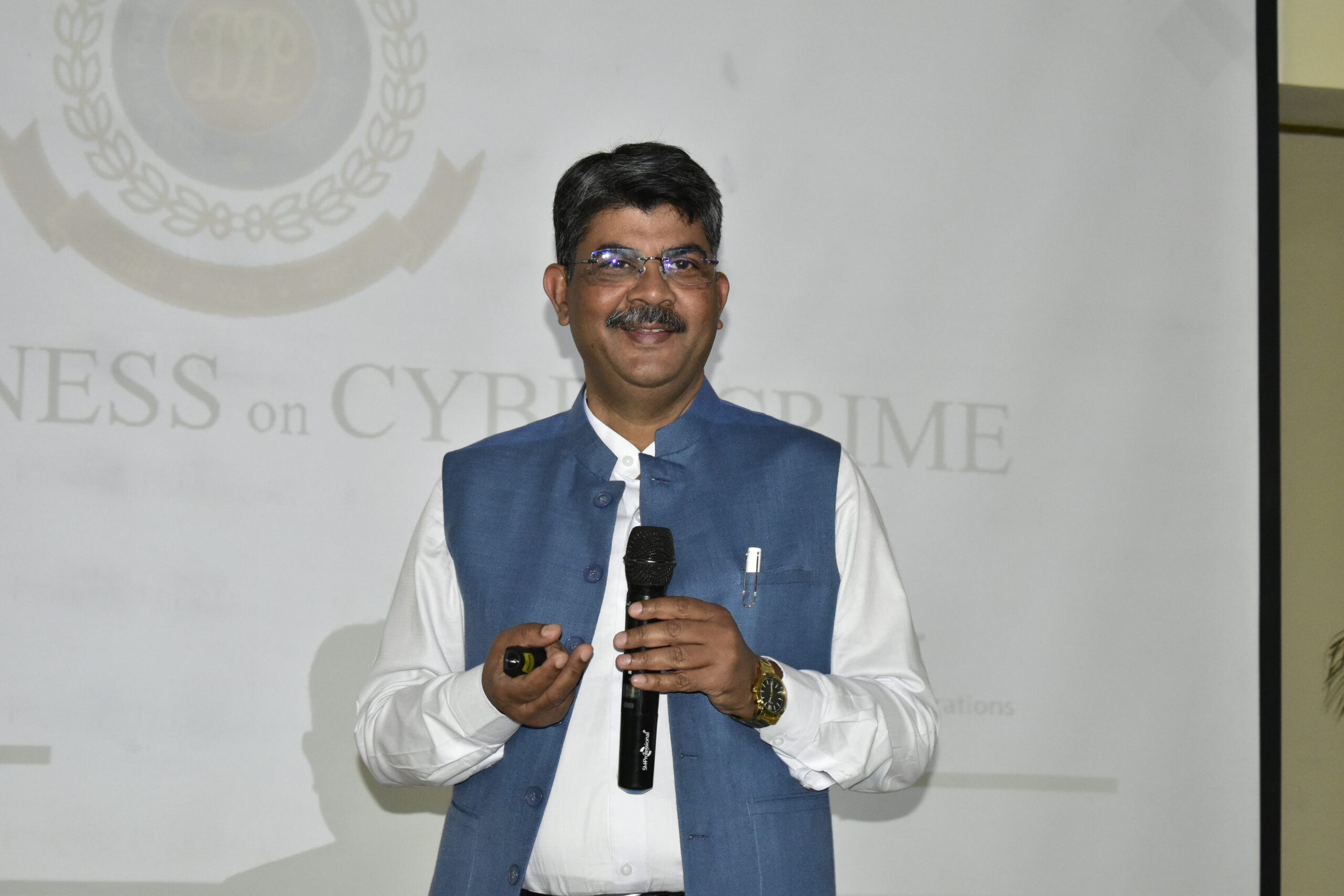
Salwan Public School, Rajendra Nagar, organised a Cyber Safety Awareness Workshop for the teachers on 26 February 2026. The session was conducted by Mr. Manoj Kumar, Assistant Commissioner of Police (IFSO), Delhi Police Department, and a distinguished Cyber Crime Investigator.
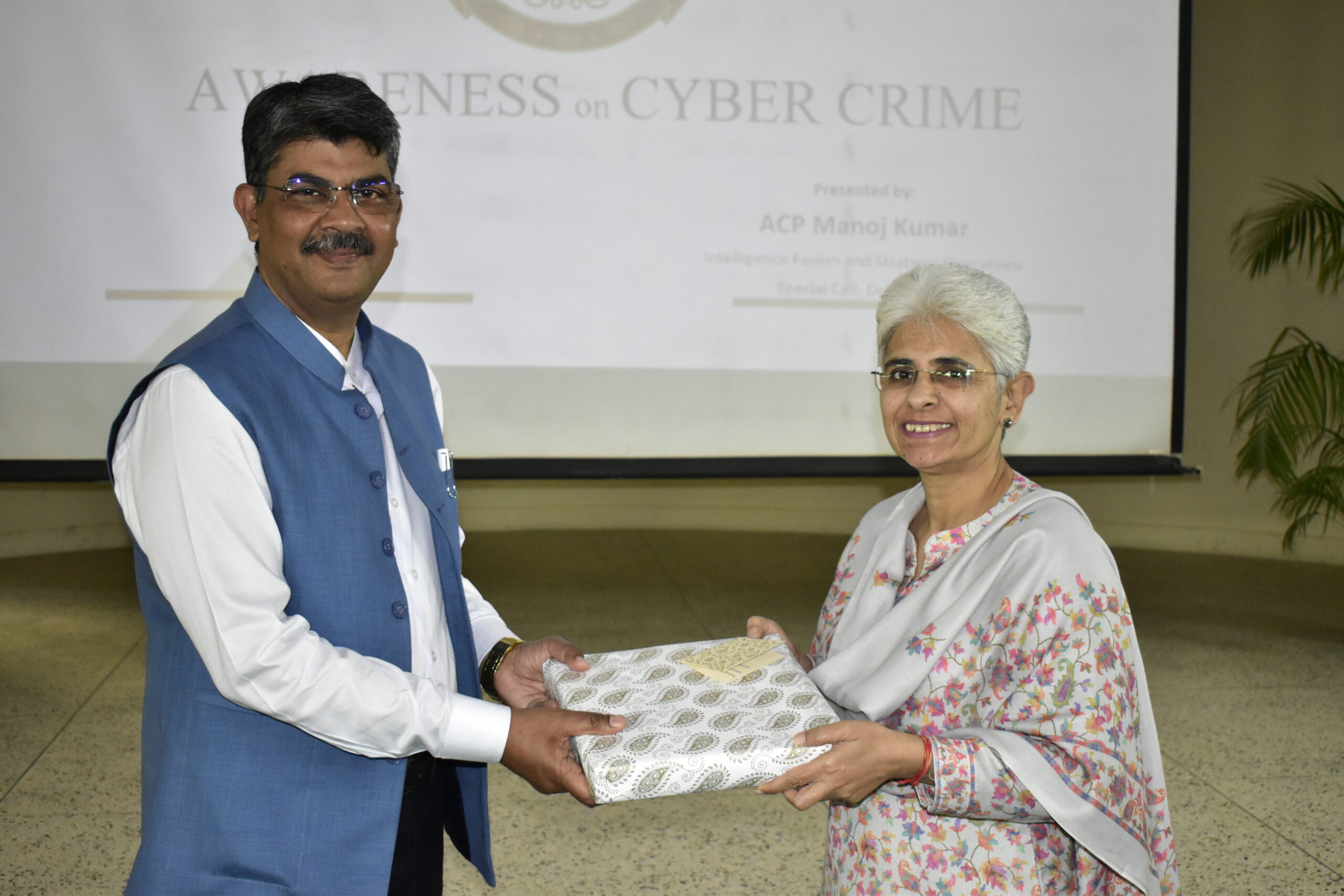
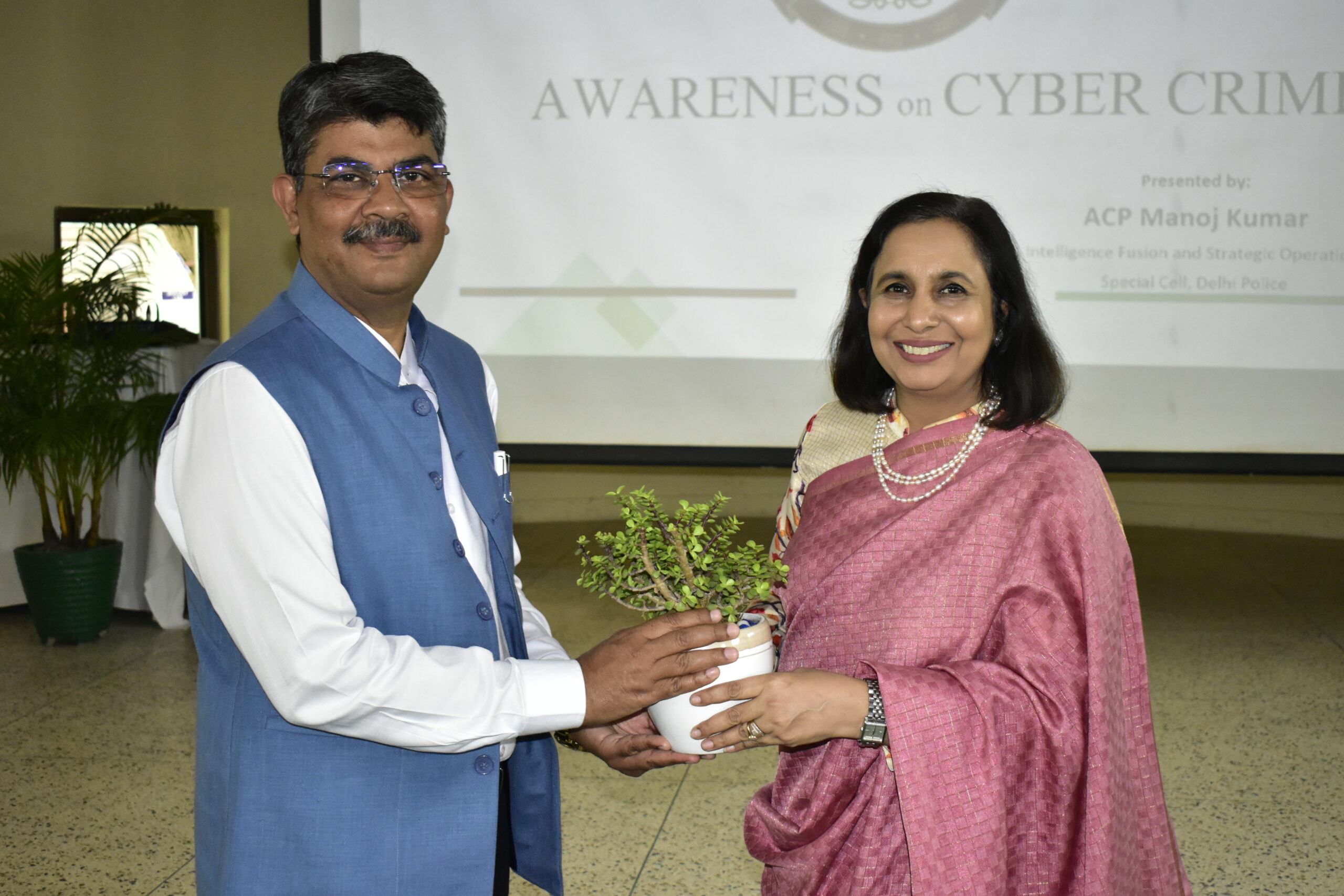
The programme commenced with a warm welcome extended to the esteemed guest with a Green Accord by the Principal, Ms. Priyanka Barara, symbolising the school’s commitment to sustainability and respect for distinguished visitors.
The objective of the workshop was to sensitise educators to emerging cyber threats and equip them with the knowledge required to ensure safe and responsible use of digital platforms, both personally and professionally. The session was informative, practical, and highly relevant in today’s digital era.
Mr. Manoj Kumar explained the fundamental Rules of Cyber Space, emphasising responsible online behaviour, safeguarding personal information, creating strong passwords, enabling two-factor authentication, and exercising caution while using social media and digital payment platforms. He elaborated on the concept of the Zero Trust Policy, highlighting the principle of “Never trust, always verify.” Teachers were advised to verify unknown links, emails, attachments, QR codes, and phone calls before responding or sharing any confidential information.
A significant part of the session focused on understanding why individuals become victims of cybercrime. He explained that cyber fraudsters typically exploit three psychological triggers:
Fear – through threats of legal consequences or account suspension
Greed – through fake lottery winnings, fraudulent investment schemes, or unrealistic offers
Urgency – by pressurising victims to act immediately without proper verification
The participants were introduced to important digital safety tools and platforms. Information was shared about the Sanchar Saathi App, which enables citizens to report and block lost or stolen mobile phones and check the number of mobile connections issued in their name. The session also highlighted VirusTotal, an online service that allows users to scan suspicious links and files before accessing them. Additionally, the M-Kavach 2 App was discussed as a mobile security application designed to protect devices from malicious software and cyber threats.
Mr. Kumar also informed the teachers about StopNCII.org, a global initiative that helps victims of non-consensual intimate image (NCII) abuse. The platform allows individuals to create a secure digital fingerprint (hash) of intimate images without uploading the actual content, enabling participating online platforms to detect and prevent the sharing of such images. This initiative was highlighted as an important step towards safeguarding digital dignity and privacy.
He strongly advised that in the event of any cyber fraud or suspicious online activity, the matter should be reported immediately by calling the National Cyber Crime Helpline at the toll-free number 1930. Prompt reporting significantly increases the possibility of preventing financial loss and ensuring timely action by authorities.
The workshop was interactive and enriched with real-life case studies, enabling teachers to better understand preventive measures and digital safety practices. The session proved to be highly enlightening and reinforced the importance of cyber awareness in safeguarding both personal and institutional digital environments.
The programme concluded with a vote of thanks, expressing sincere appreciation to Mr. Manoj Kumar for his valuable insights and for empowering the faculty with essential knowledge on cyber security.
Key Takeaways from the Cyber Safety Awareness Workshop
- Adopt the Zero Trust Approach
- Always follow the principle of “Never trust, always verify.” Verify links, emails, QR codes, attachments, and unknown calls before responding or sharing personal information.
- Understand the Rules of Cyber Space
- Practice responsible digital behaviour by protecting personal data, using strong and unique passwords, enabling two-factor authentication, and maintaining privacy settings on social media platforms.
- Recognise Psychological Triggers Used by Cybercriminals
- Most cyber frauds exploit three emotions:
- Fear – threats of legal action or account suspension
- Greed – fake rewards, lottery wins, or investment schemes
- Urgency – pressure to act immediately without verification
- Use Verified Digital Safety Tools
- Sanchar Saathi App to block lost/stolen mobile phones and check active connections in one’s name.
- VirusTotal to scan suspicious links and files before opening them.
- M-Kavach 2 App to enhance mobile device security.
- org to prevent the circulation of non-consensual intimate images through secure digital fingerprinting.
- Report Cybercrime Immediately
- In case of financial fraud or suspicious cyber activity, report promptly by calling the National Cyber Crime Helpline at 1930 to increase the chances of preventing financial loss.
- Digital Vigilance is Collective Responsibility
- Teachers play a crucial role in guiding students towards safe online practices and fostering a culture of digital responsibility within the school community.
- Prevention is Better than Cure
- Staying informed, alert, and cautious is the most effective way to prevent becoming a cyber-victim.
These takeaways reinforced the importance of awareness, vigilance, and timely action in ensuring cyber safety.


Leave a Reply