


CBSE Capacity Building Programme on ‘Active Learning’
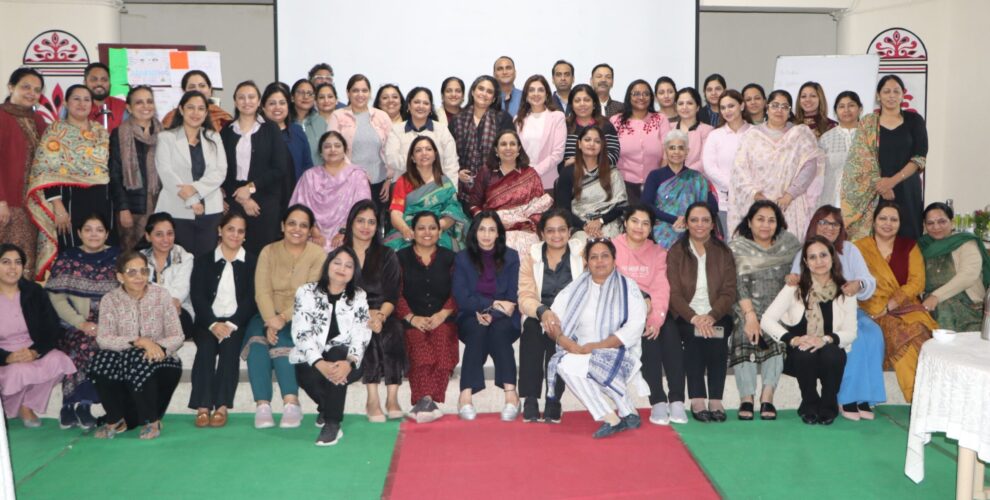
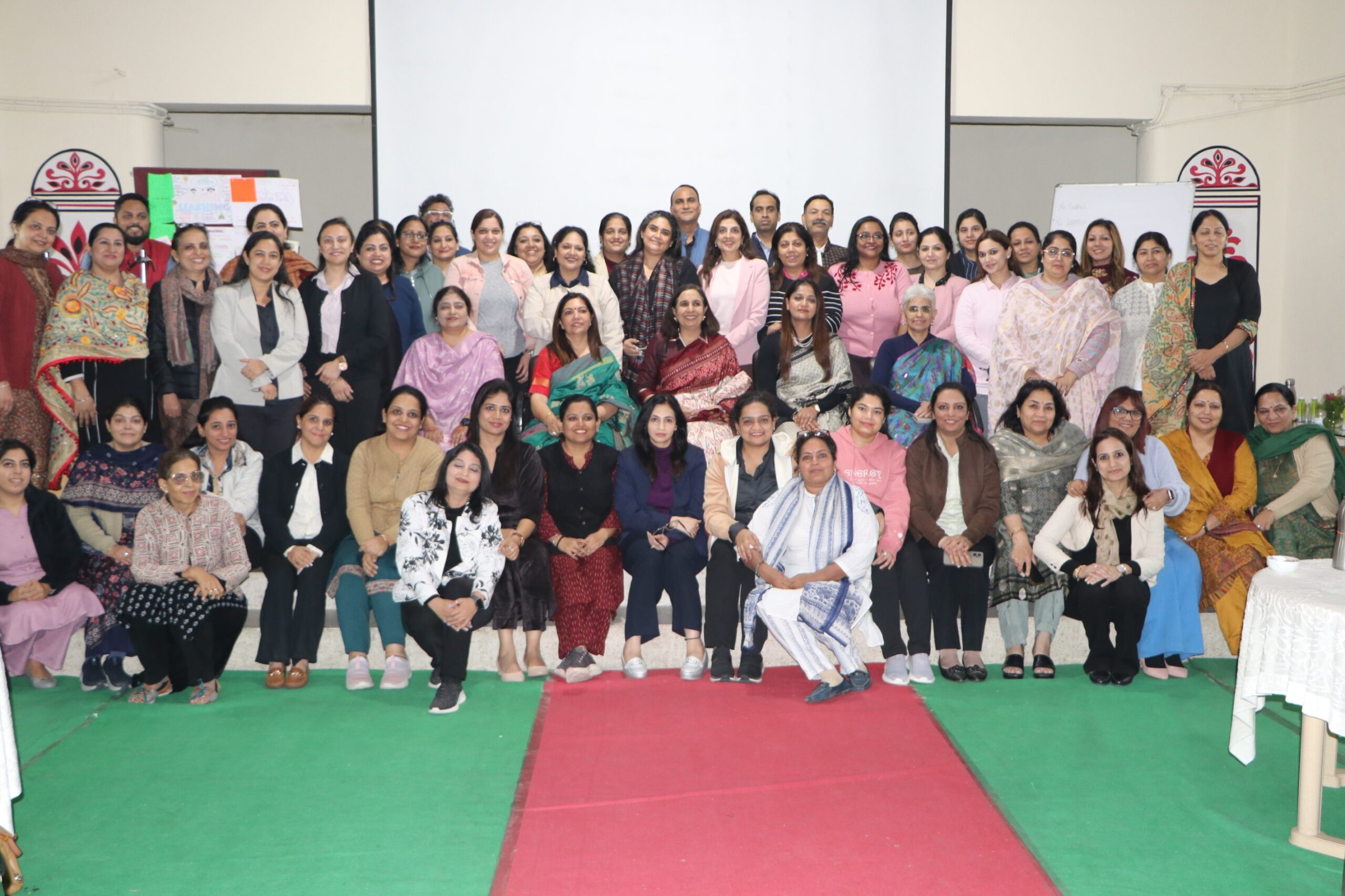
A Capacity Building Programme on ‘Active Learning’ was organised on Saturday, 22nd November 2025, at Salwan Public School, Rajendra Nagar, bringing together 60 educators, including 15 TGTs, 29 PRTs, and 16 Pre-Primary teachers. The session was led by two distinguished resource persons—Ms. Bakshish Madan (PGT–Physics, Guru Harkrishan Public School, Nanak Piao) and Ms. Seema Bajaj (Principal, Remal Public School)—who conducted the workshop towards reimagining teaching practices through the lens of active, student-centered learning.
The resource persons were accorded a green welcome by Ms. Priyanka Barara (Principal) , Ms. Jyotsna Grover, Vice Principal, and Ms. Rashi Oberoi (Headmistress). Ms Jyotsna Grover, in her address, emphasised the growing need for educators to continually upgrade their methodologies in response to a rapidly changing world. The session commenced with highlighting the essence of active learning, its impact on student engagement, and the shift from passive listening to meaningful participation.
The participants delved deeper into the core objectives of active learning, understanding its philosophy, recognising its advantages over passive learning, and discovering ways to design lessons that spark curiosity, collaboration, and critical thinking. The facilitators highlighted how 21st-century competencies such as creativity, communication, digital literacy, and problem-solving naturally blend with active learning strategies, encouraging educators to craft classrooms that are both engaging and future-ready.
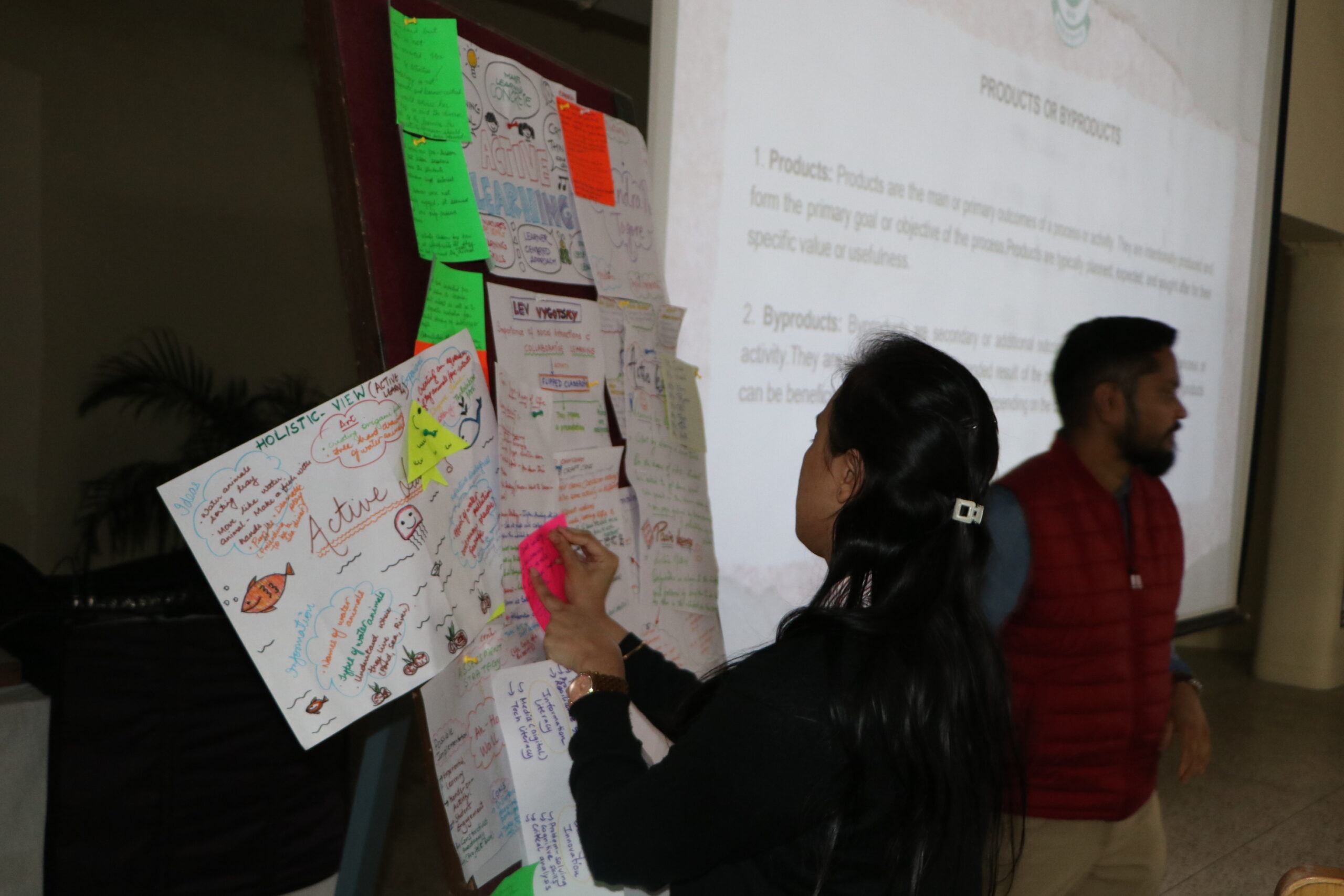
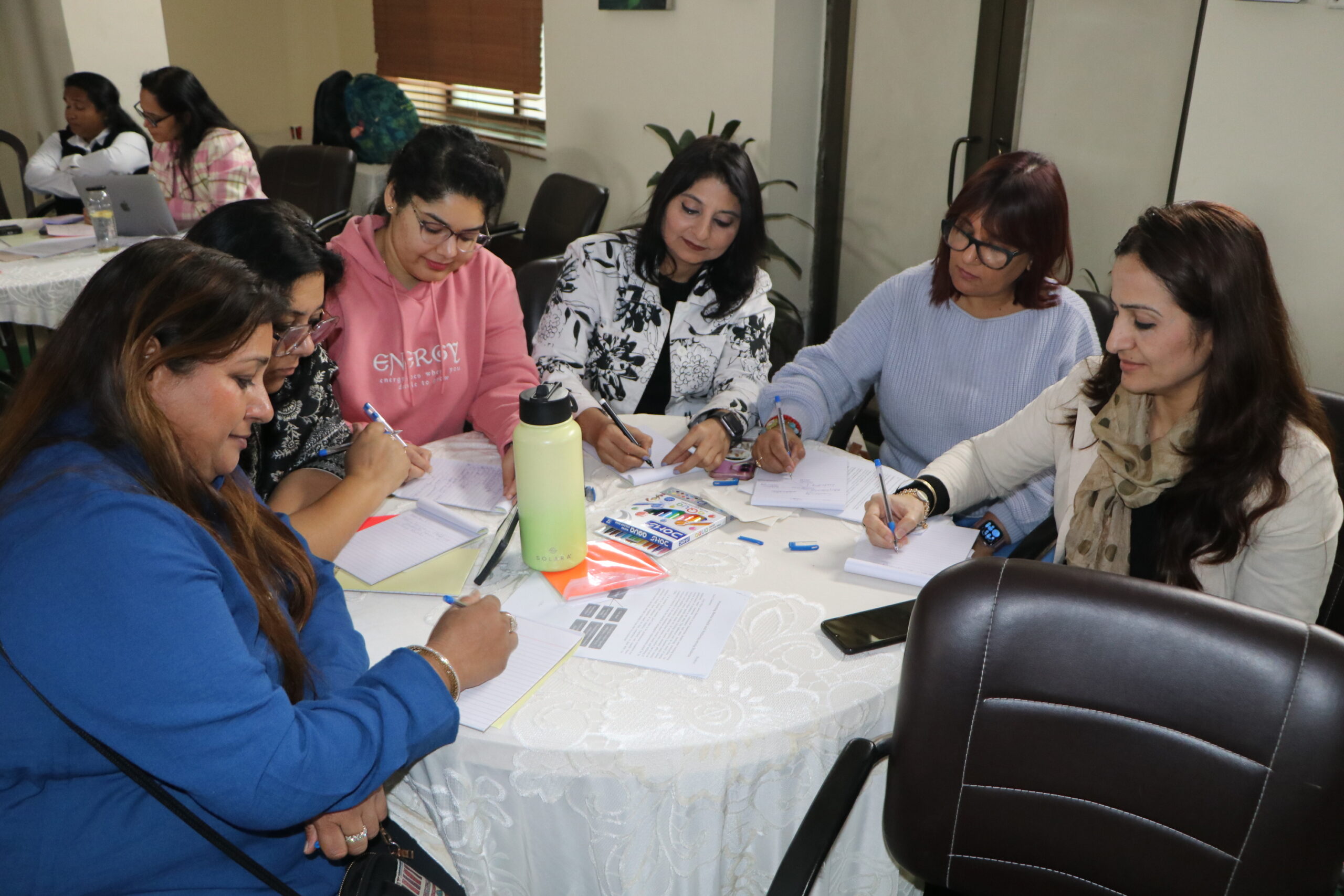
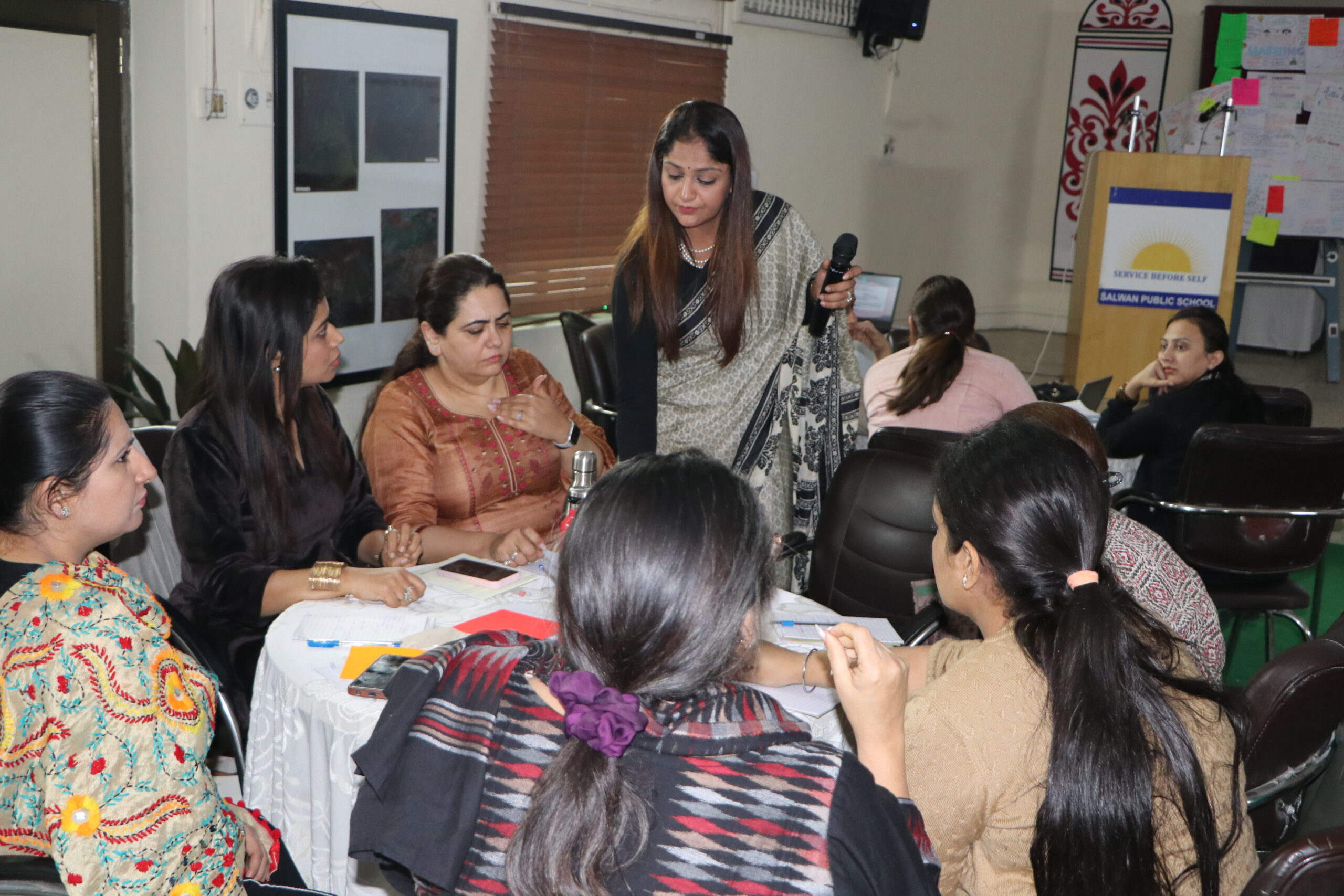
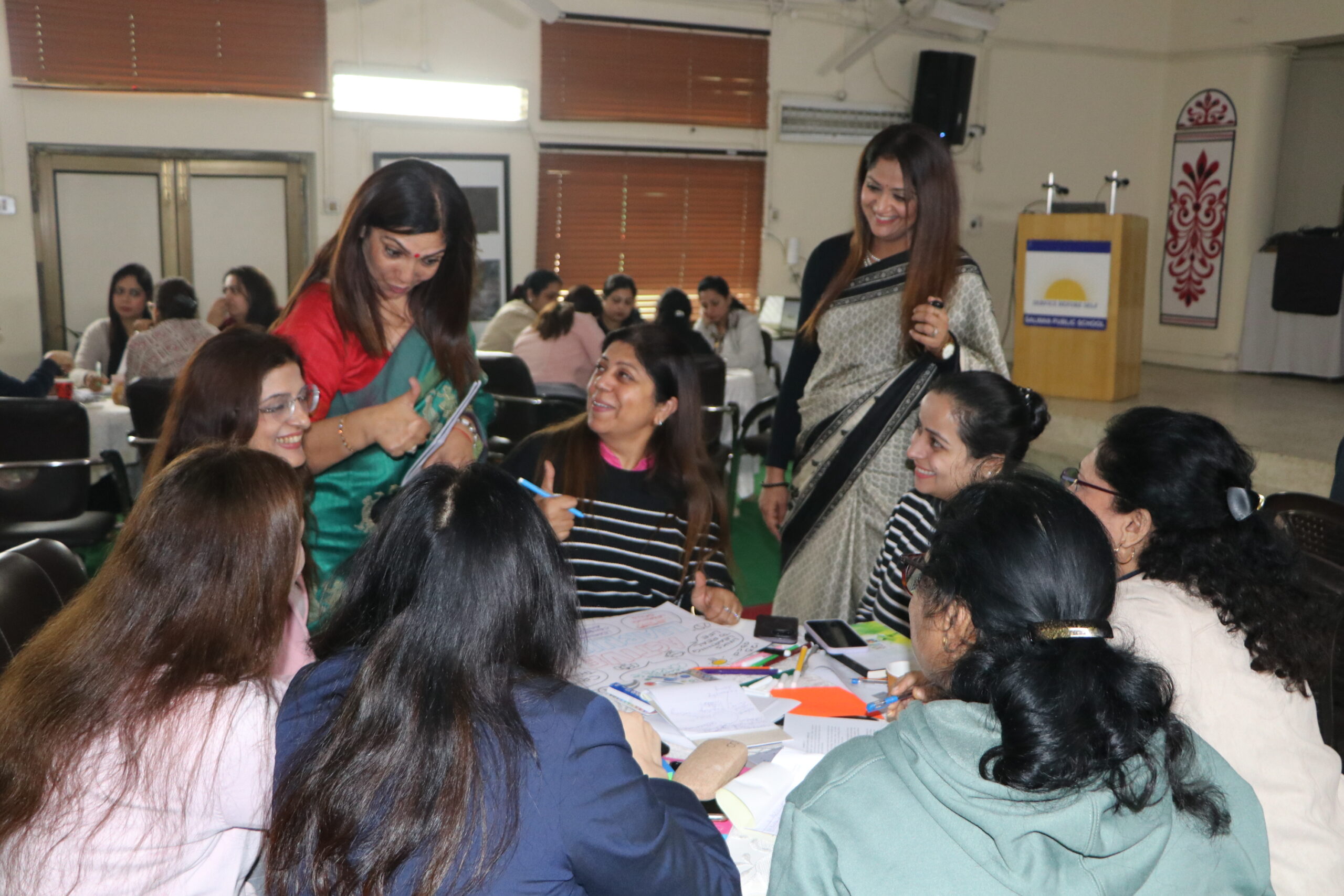
The sessions engaged the participants into collaborative activities, reflective tasks, and hands-on demonstrations. Strategies like think-pair-share, group challenges, spider-web mapping, and designing an Active Learning Activity Plan (ALAP) allowed teachers to experience the energy and impact of these methods firsthand. The reflective “mirror moments,” self-assessment questionnaires, and skill–mapping exercises encouraged educators to analyse their current practices and refine them for better learning outcomes. The facilitators also emphasised overcoming challenges in implementing active learning and understanding how Indian philosophical thought has long supported experiential and inquiry-driven learning.
The key insights of the session were active learning that thrives on thoughtful planning, clear instructions, constructive feedback, and an environment where students take ownership of their learning. The participants recognised that 21st-century skills are no longer optional but essential, and that integrating project-based learning, technology, and interdisciplinary thinking can transform classrooms into vibrant learning spaces.
The programme concluded with a Vote of Thanks by Ms. Priyanka Barara, Principal, who invited the participants to share their key takeaway in one word, filling the hall with terms like insightful, innovative, empowering, and transformative. The session was very informative and inspiring, and motivated the participants to embrace active learning with renewed enthusiasm and a commitment to nurture future-ready learners.


Leave a Reply