


Heritage Day Celebrations: 2026
DAY 1 – (18 April, 2026)
ITIHAAS Youth Heritage Leaders Journey – Celebrating Heritage in Action
In alignment with the spirit of World Heritage Day, students of Classes IX & XI of Salwan Public School Rajendra Nagar participated in the ITIHAAS Youth Heritage Leaders Internship (ITIHAAS), demonstrating a strong commitment to heritage awareness and preservation.
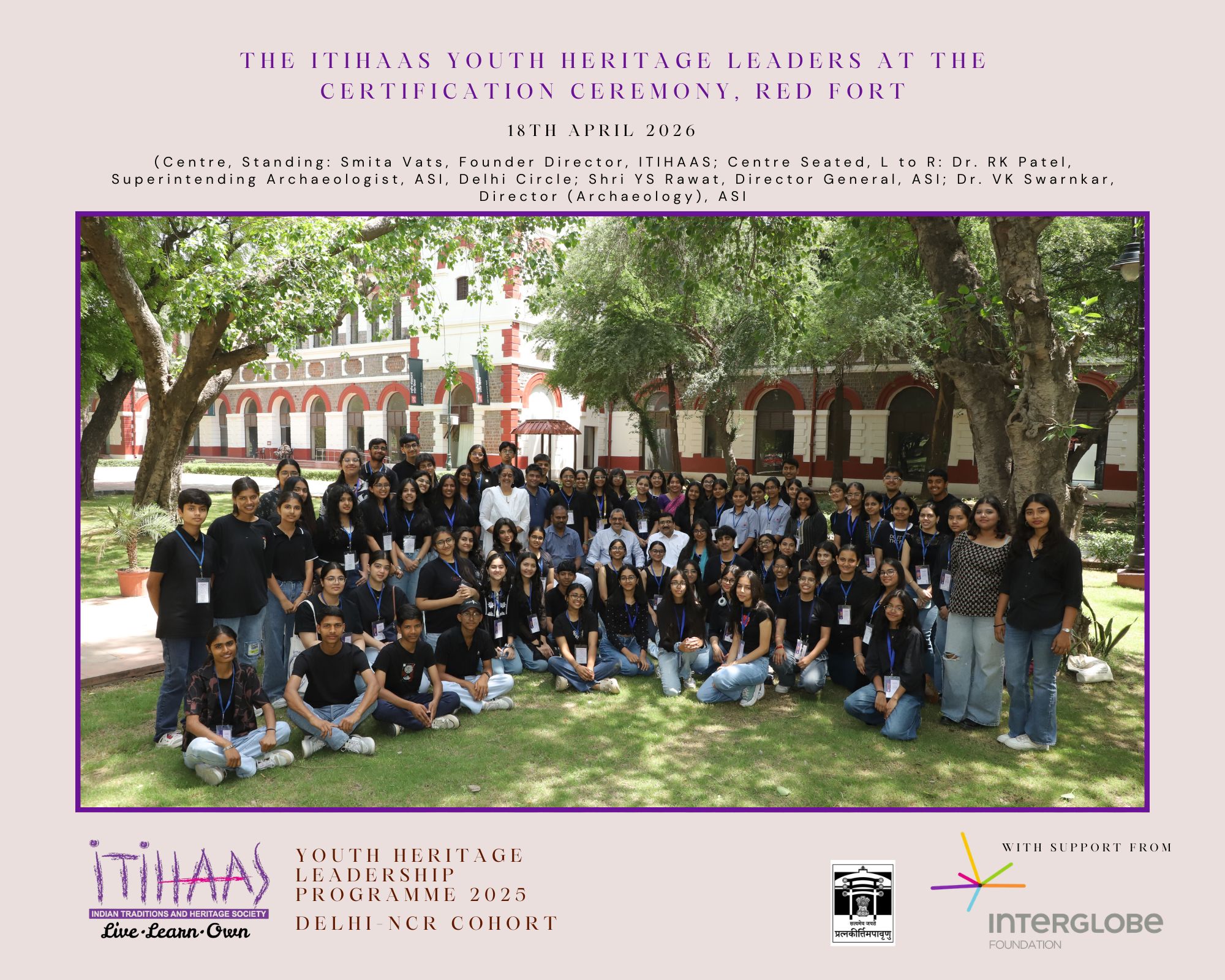
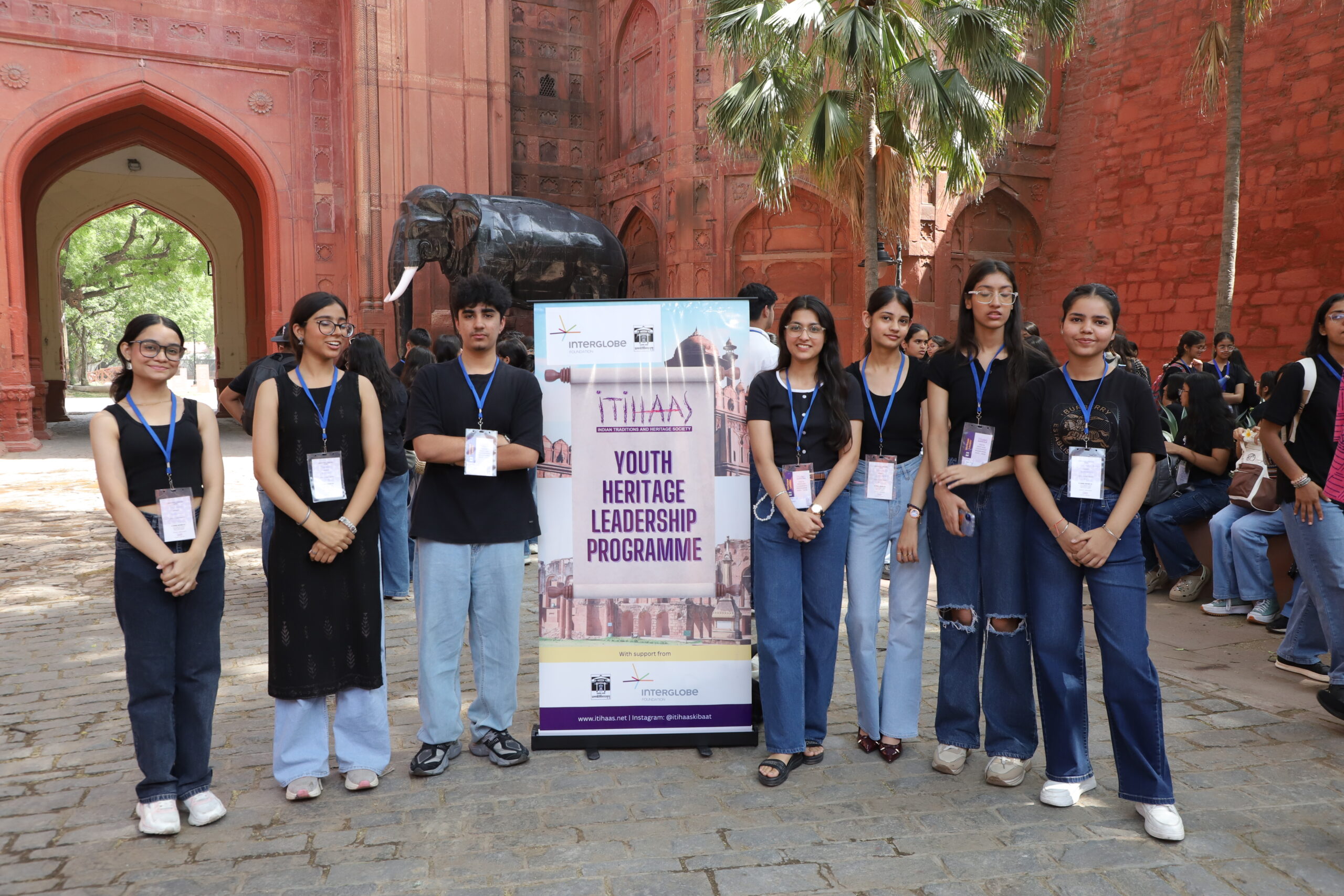
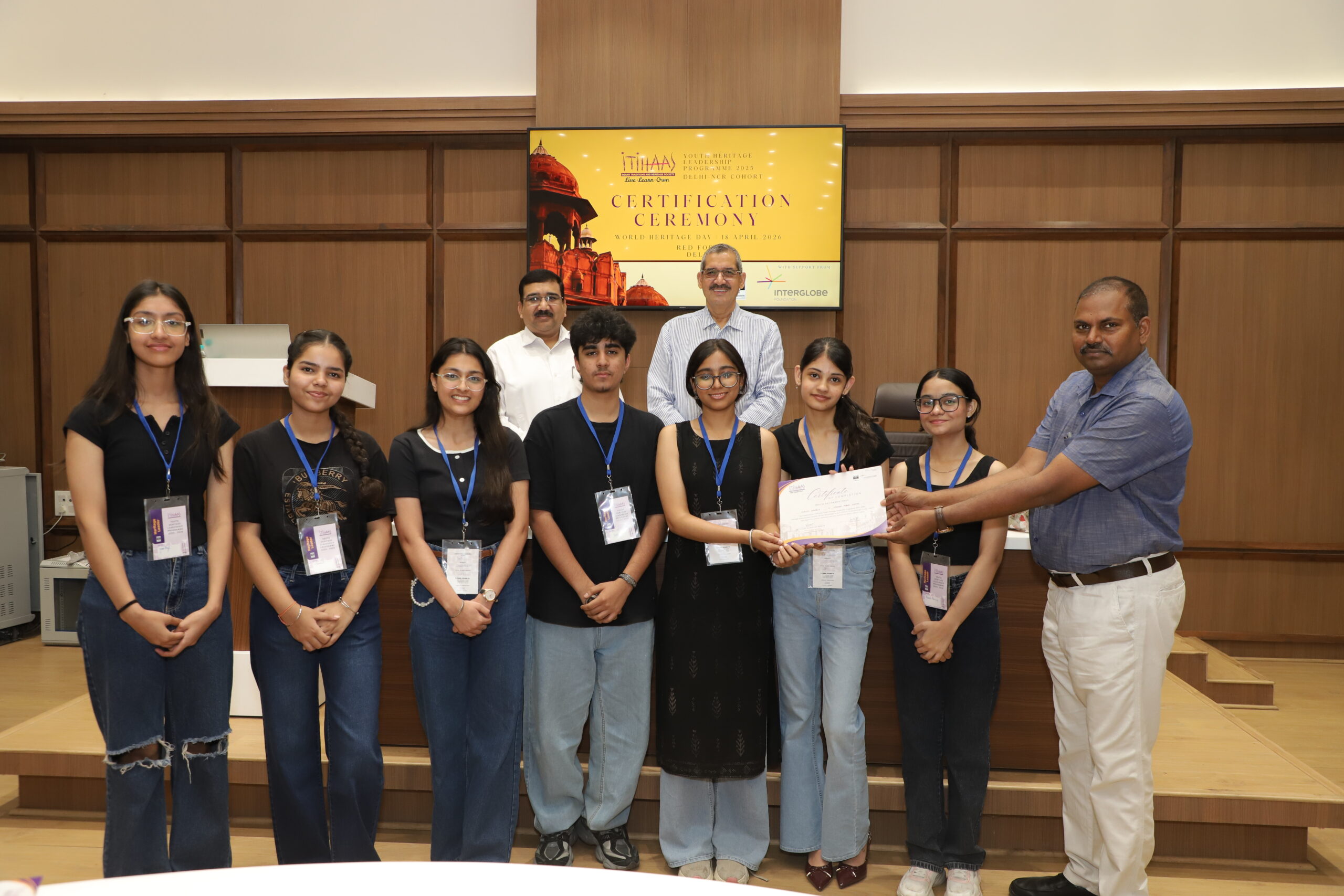
Shree Choudhary, Vidushi, Yana Singh, Ranya Kalra, Viraj Bali, Rashi Parcha, Jasneek Kaur, and Nimit Yadav (IX & XI) were selected for this prestigious programme and trained at the iconic Red Fort, where they experienced history beyond the classroom.
During the internship, students conducted heritage walks, interpreted the architectural and cultural legacy of the Mughal era, and honed their storytelling, leadership, and public speaking skills.
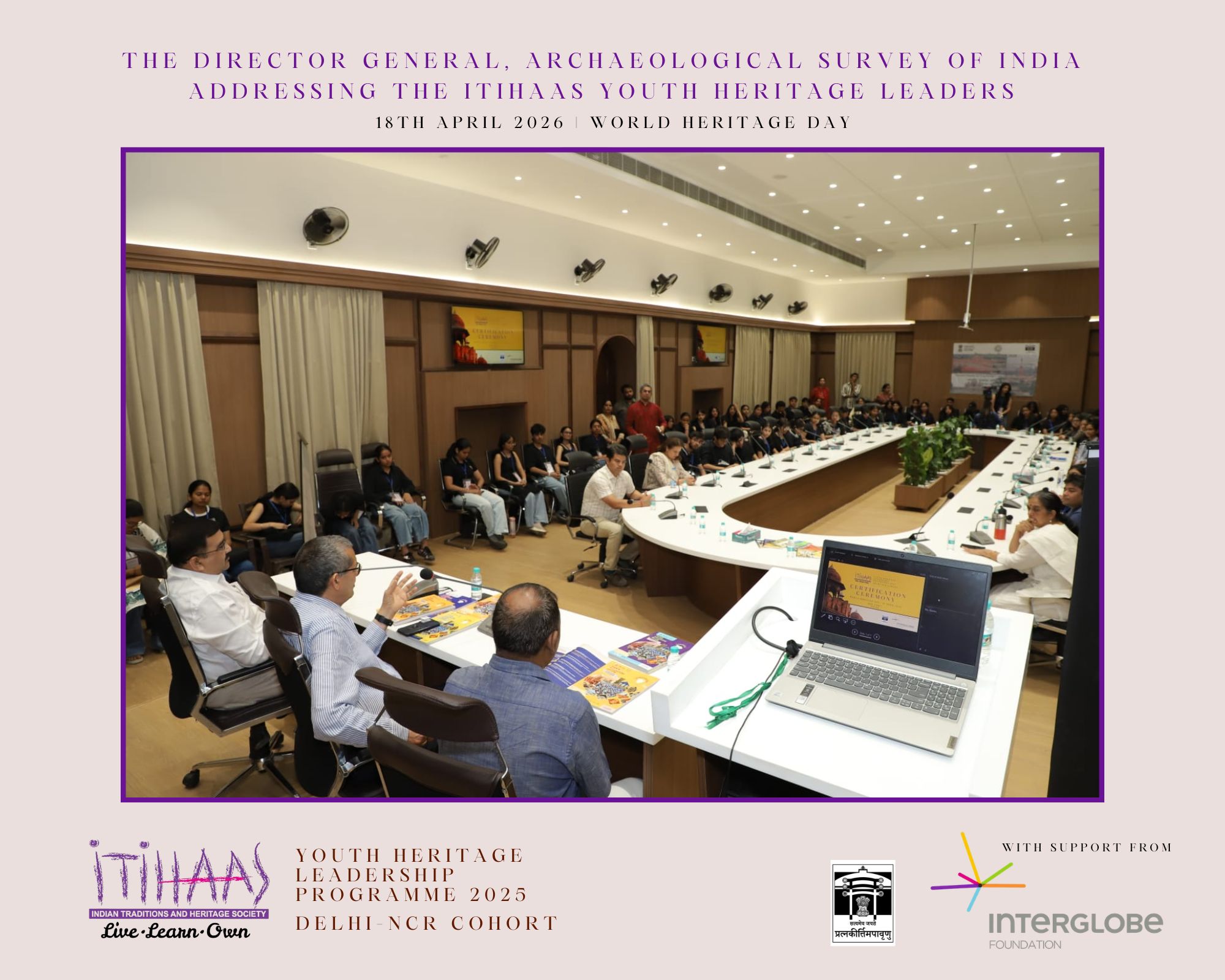
All eight students were appointed as Youth Heritage Leaders and Tour Guides. Notably, Viraj Bali and Jasneek Kaur were awarded the Certificate of Merit, by Yadubir Singh Rawat, representative from ITIHAAS.
This enriching experience reinforced the idea that heritage is a living continuum, inspiring students to become responsible custodians of India’s rich cultural legacy.
DAY 2 – 18 April, 2026
Heritage Day Celebration: Fostering Awareness and Responsibility
On the occasion of World Heritage Day (18 April 2026), the Social Science Department organised an engaging and insightful programme (list of events – discussion on heritage based on a PPT and a follow up activity, Madhubani workshop, visit to the National Museum) for students of Classes VI–VIII to promote awareness about India’s rich cultural and historical heritage.
The programme commenced with an informative PowerPoint presentation by Social Science teachers in their respective classes that introduced students to the concept of heritage, covering both tangible aspects such as monuments and temples, and intangible traditions like music, dance, and rituals. Students were apprised of India’s global recognition through 44 World Heritage properties listed by UNESCO, including renowned sites such as the Taj Mahal, Hampi, and the Sun Temple.
The presentation also highlighted India’s vibrant living traditions, including Garba, Durga Puja, Kumbh Mela, and Yoga, emphasising their role in strengthening community bonds. Students were sensitised to the importance of preserving heritage and the challenges posed by urbanization, pollution, and neglect. The session concluded with a pledge encouraging students to actively contribute towards heritage conservation.
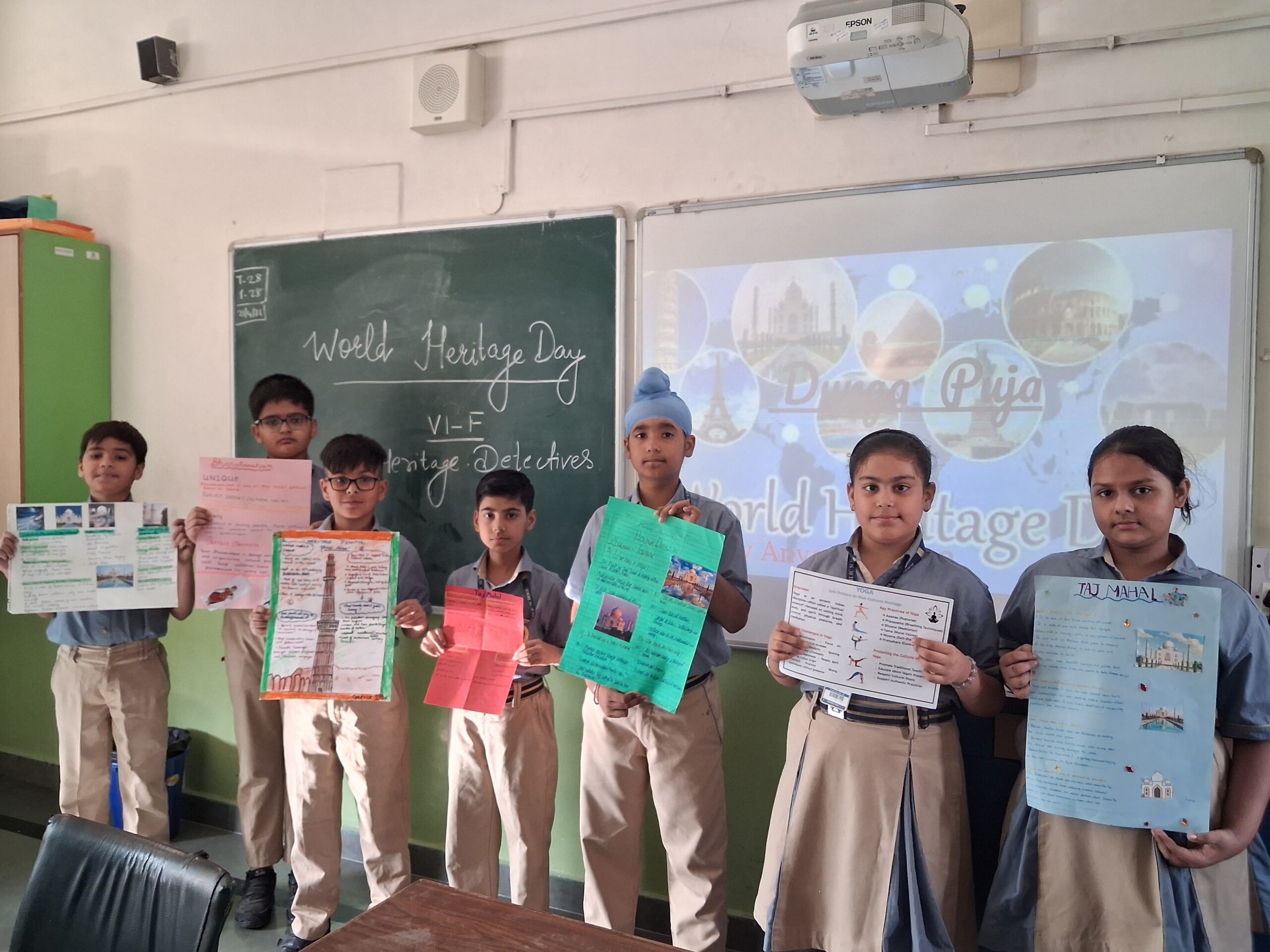
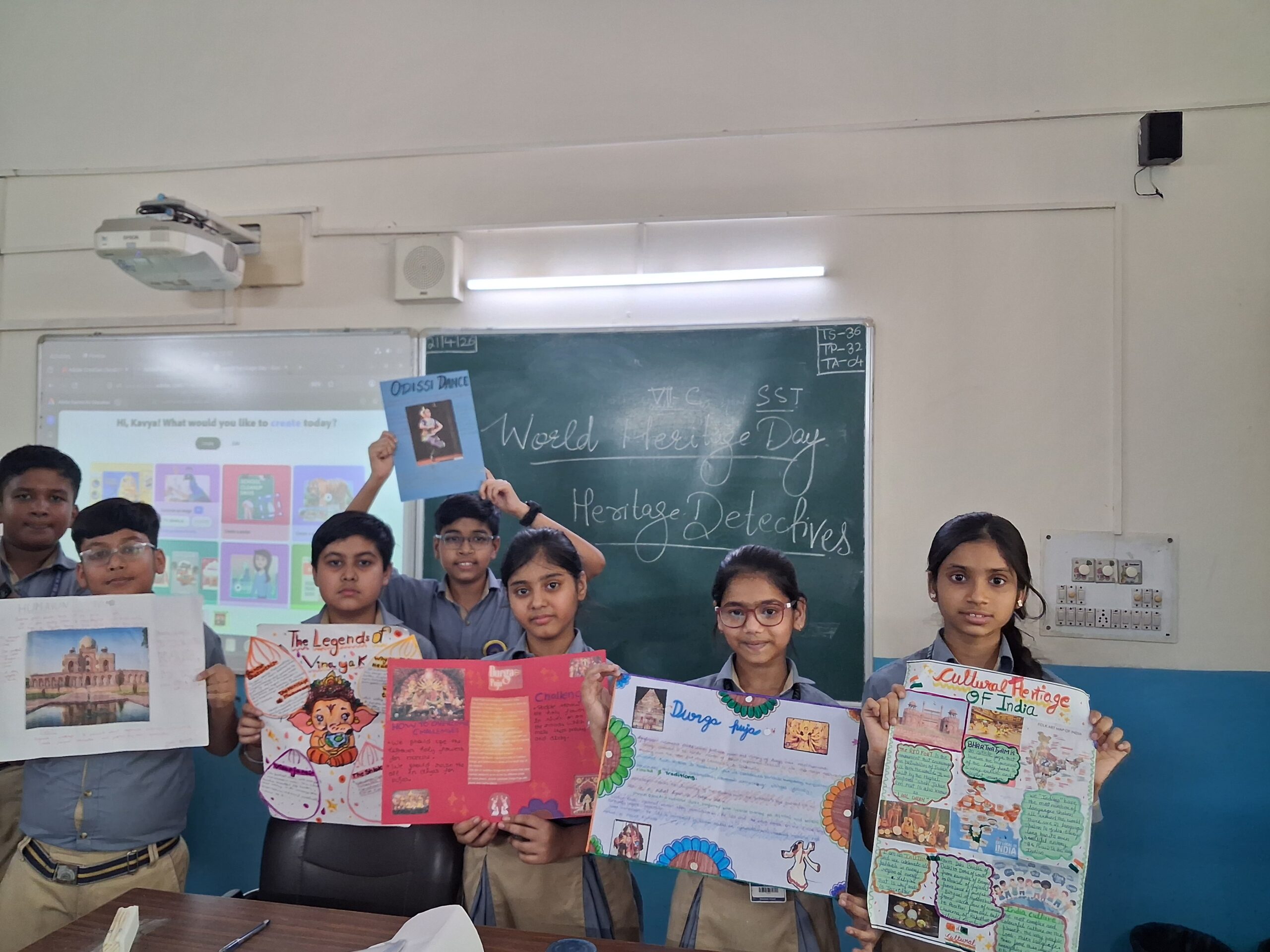
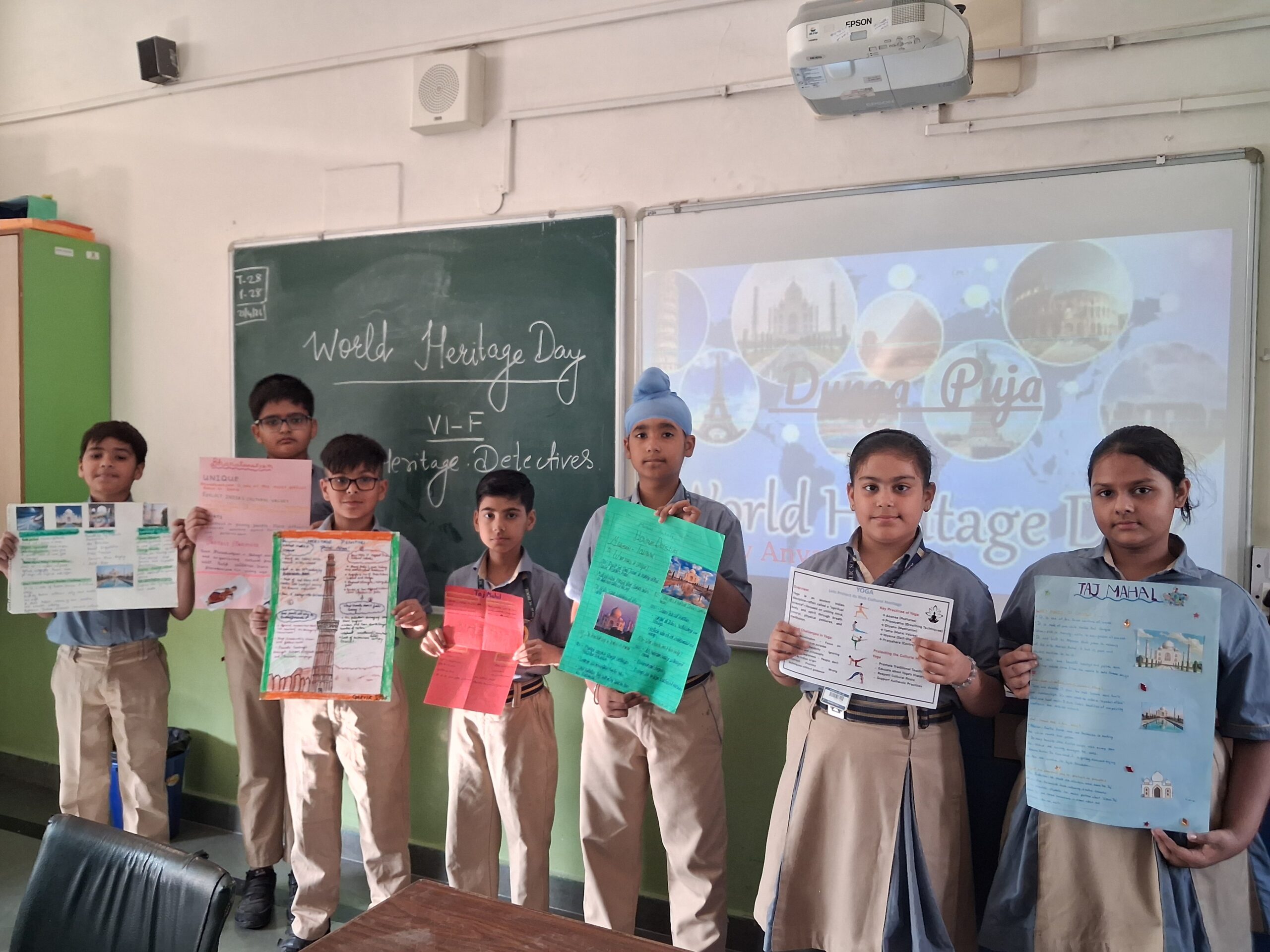
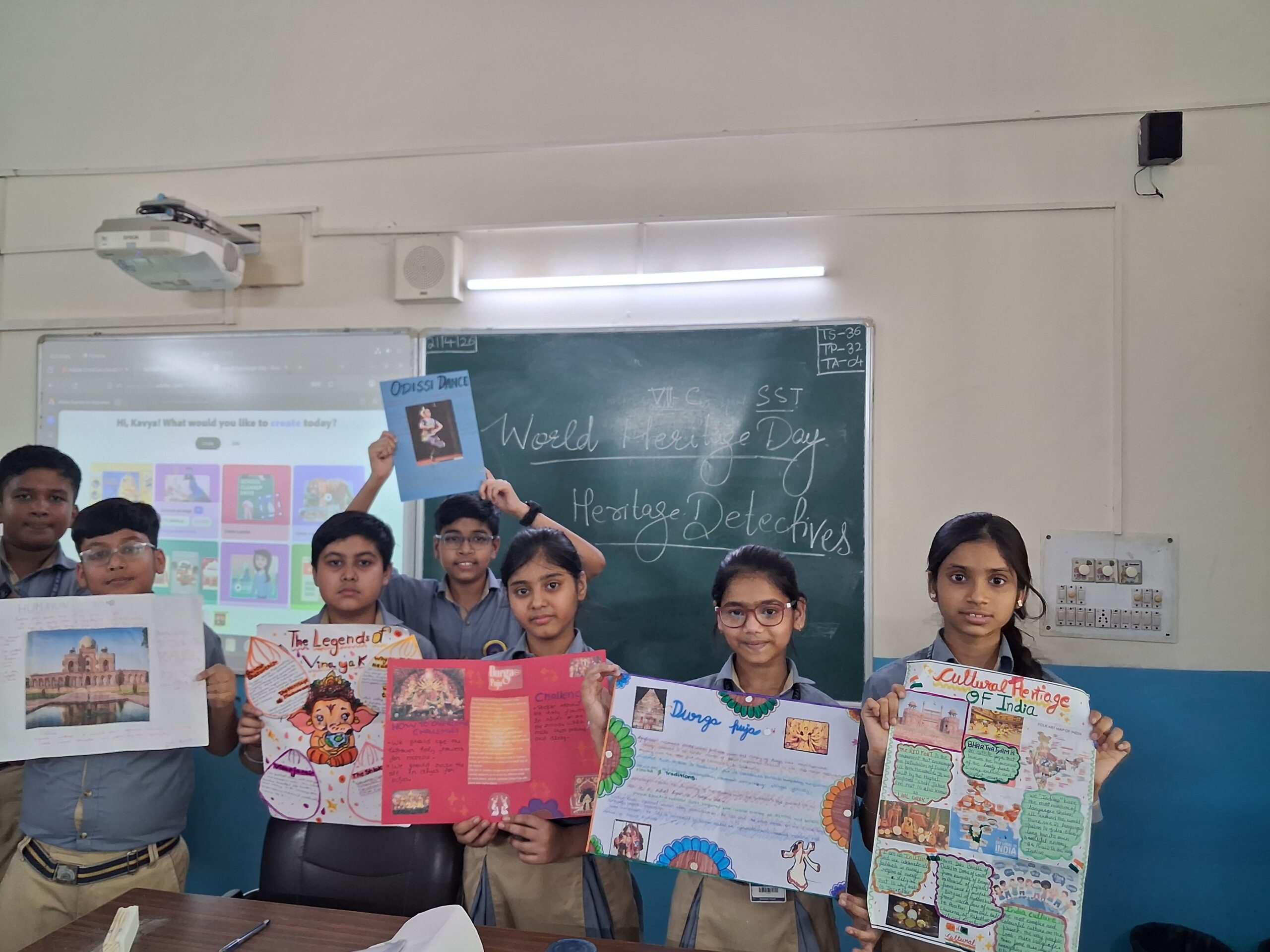
To reinforce learning, students participated in two engaging activities. In the Digital Activity – Virtual Heritage Curators, they created digital one-pagers showcasing various heritage elements, integrating images, key facts, challenges, and conservation pledges. Their work was presented on the Smartboard, reflecting creativity and effective use of technology. In the Manual Activity – Heritage Detectives, students designed A3 one-page reports on local or regional heritage, analysing their significance, identifying threats, and suggesting practical measures for preservation.
The programme proved to be an enriching experience, enabling students to connect with India’s heritage meaningfully. It reinforced the understanding that heritage is not only about monuments but also about living traditions that shape our identity. The initiative successfully instilled a sense of responsibility among students to preserve and promote our shared cultural legacy.
DAY 3: 20.04.2026
Madhubani Painting Workshop – Celebrating Heritage Day
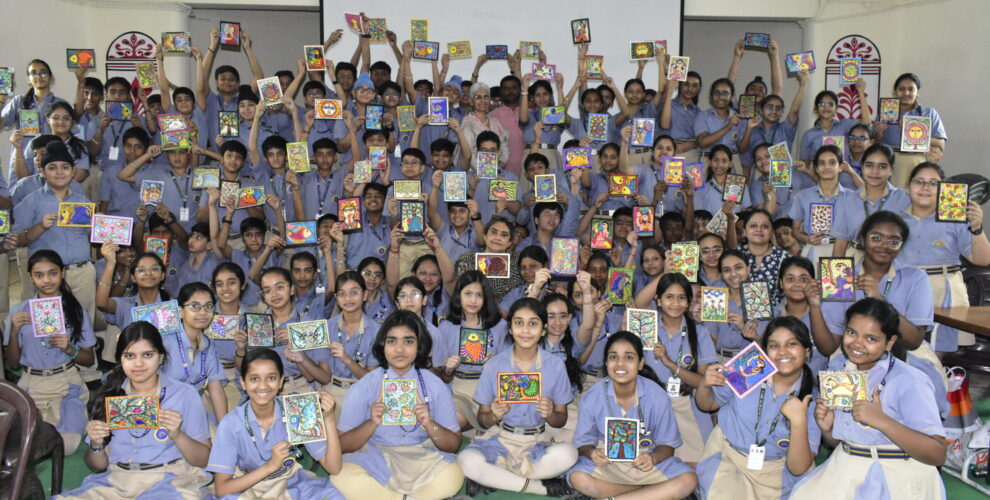
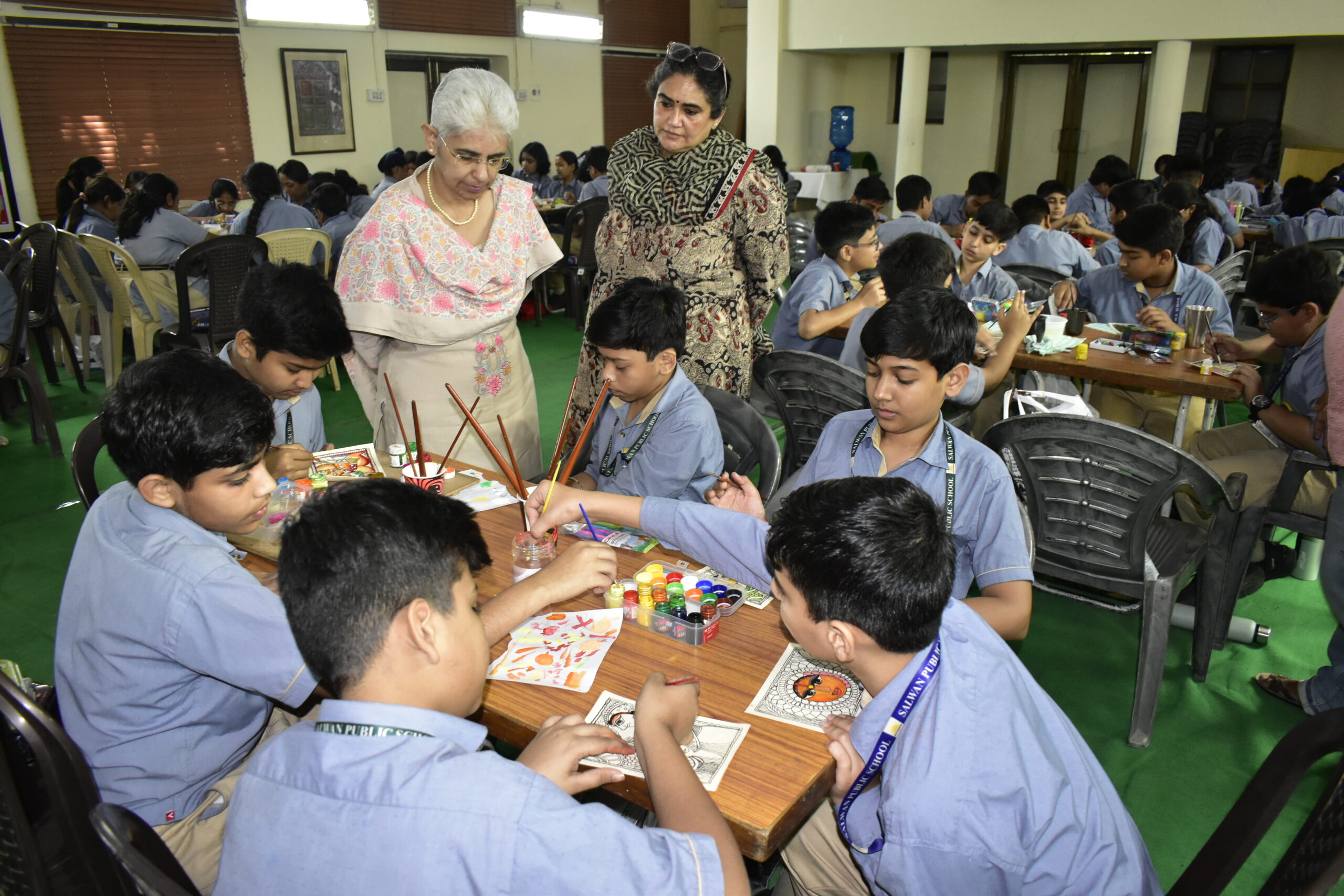
As part of the school’s World Heritage Day celebrations, the Social Science Department organised a Madhubani Painting Workshop to promote awareness of India’s rich cultural heritage through experiential learning.
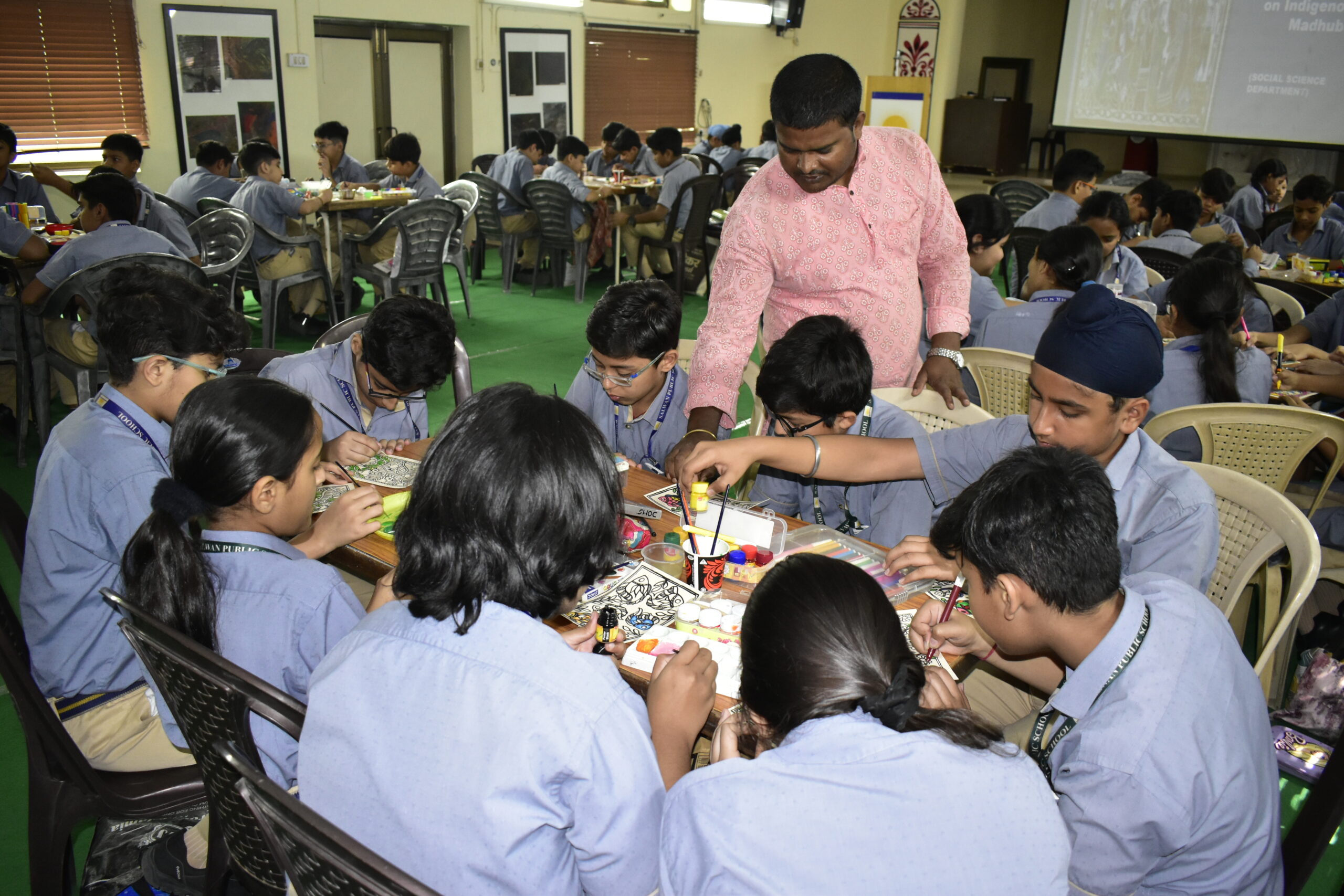
The workshop was conducted by the resource person, Mr. Sujeet, an expert in Madhubani art (Bihar) who introduced students to the historical roots, traditional themes, and distinctive techniques of this renowned art form from Bihar. The session highlighted how indigenous art traditions form an integral part of India’s intangible cultural heritage.
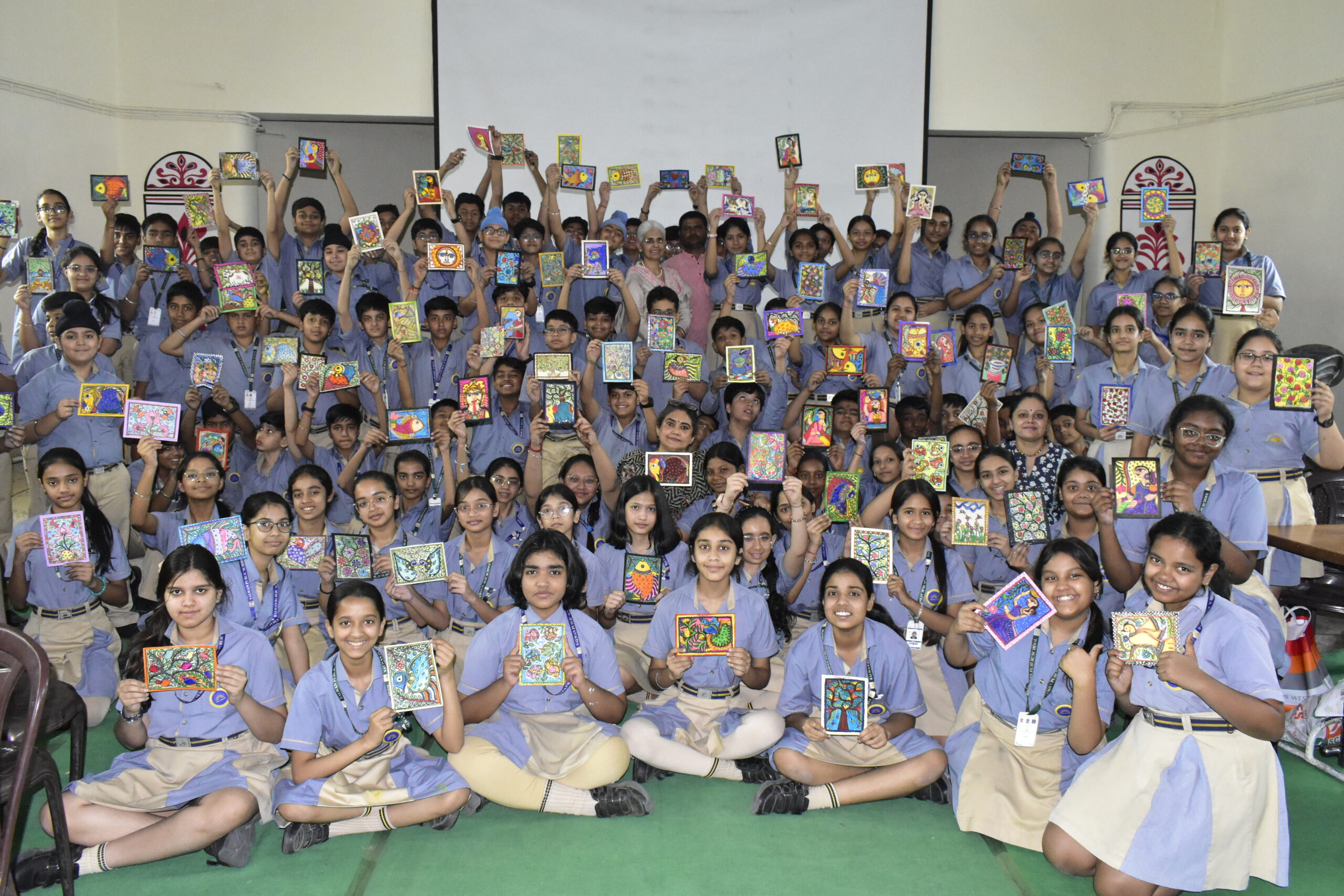
A total of 98 students of Class VIII actively participated in the workshop. Through a hands-on approach, students explored the use of natural motifs, intricate patterns, and symbolic designs characteristic of Madhubani paintings. Guided by the expert, they created their own artworks, demonstrating creativity, enthusiasm, and a deeper appreciation for traditional art forms.
In keeping with the spirit of Heritage Day, the initiative also supported local artisans, as students purchased handcrafted items such as bookmarks and decorative hangings. As a follow-up activity, students will reflect on their learning experience in a class activity by writing reflections, further reinforcing their understanding of cultural preservation.
The workshop served as a meaningful platform to connect students with India’s artistic legacy, fostering cultural awareness, creativity, and respect for traditional craftsmanship.
Day 4: (23.04.20026 & 24.04.2026)
Educational Excursion to National Museum – Heritage Day Initiative
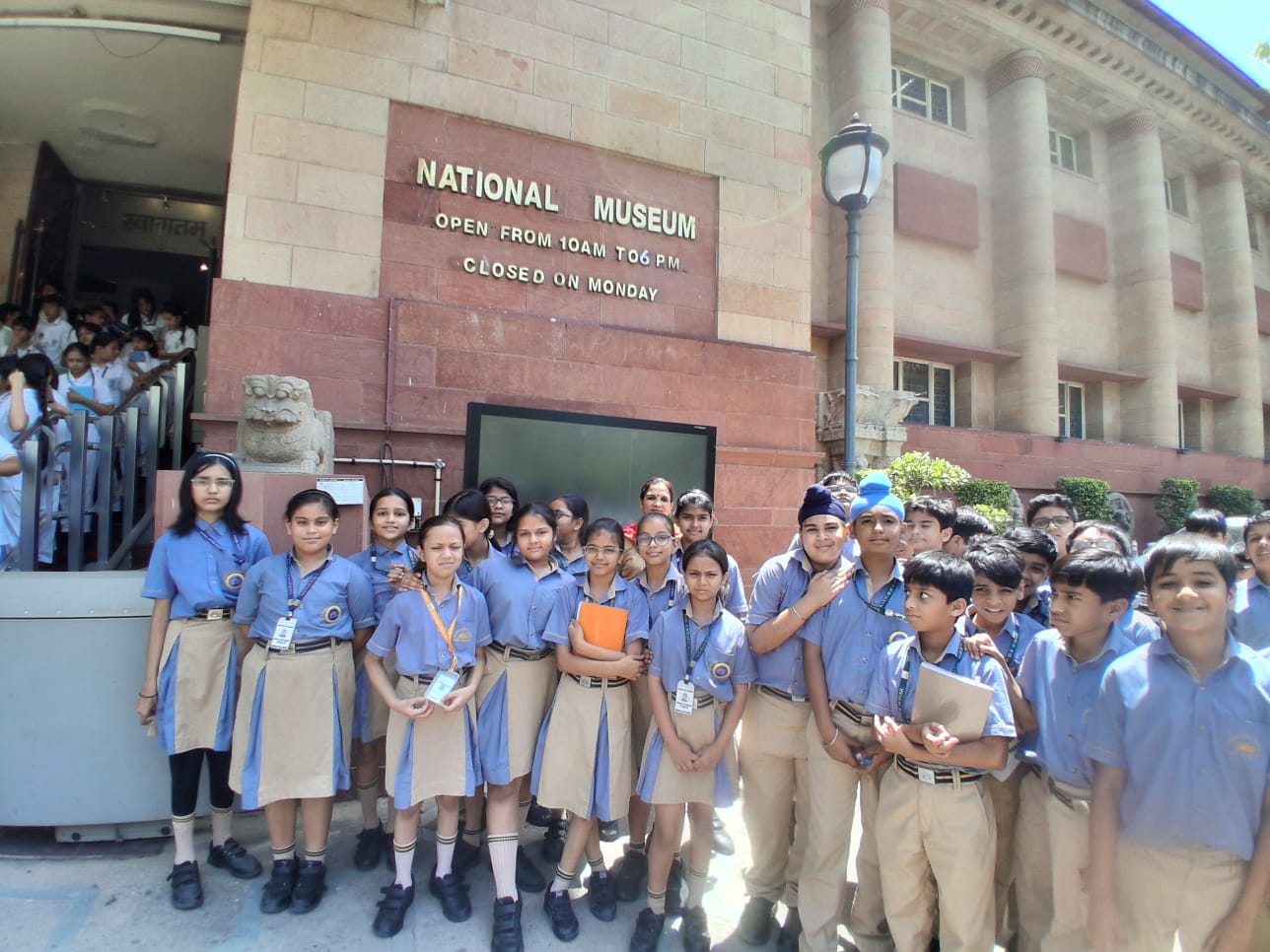
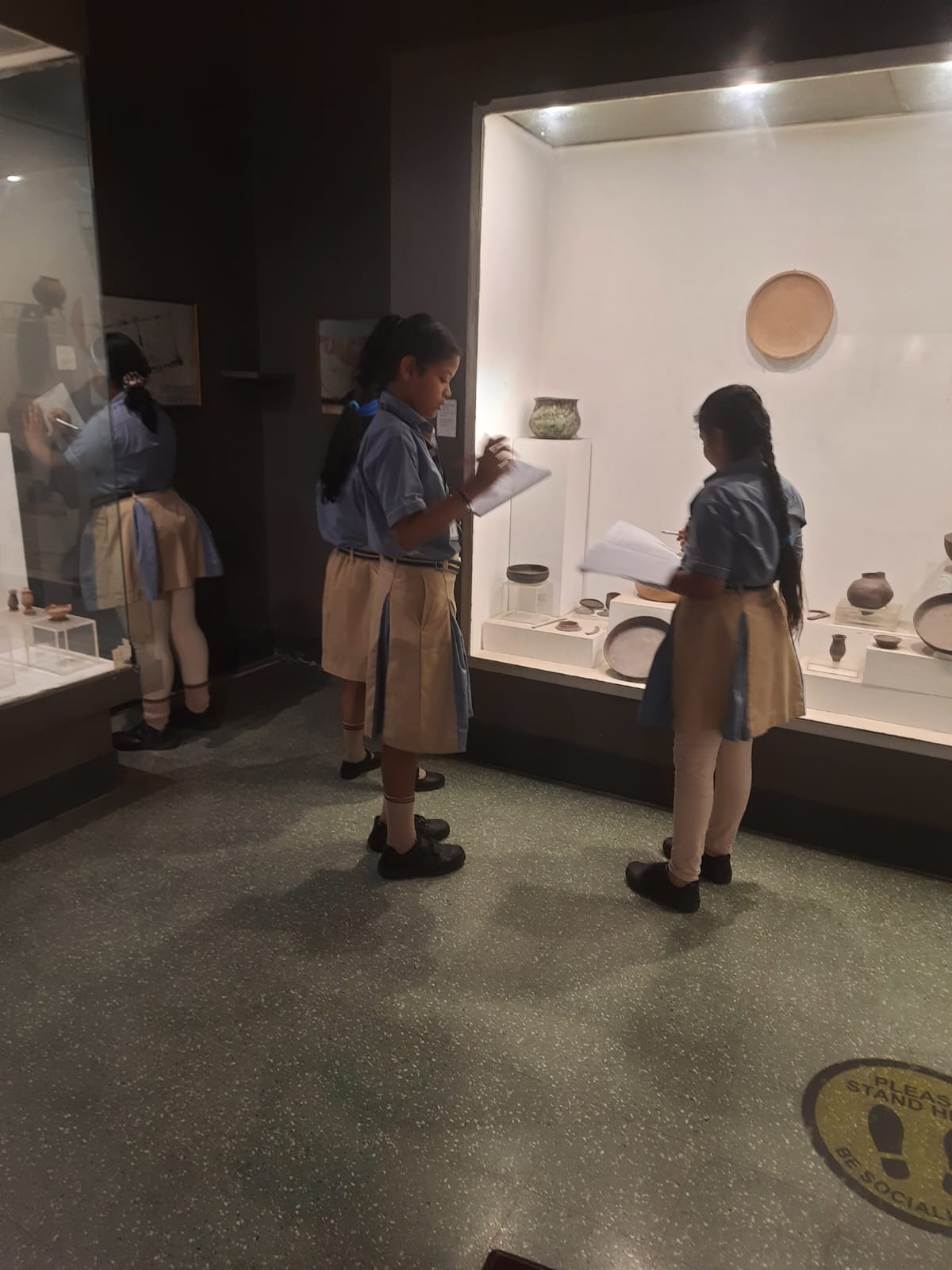
On the occasion of World Heritage Day, and as part of the school’s Kaushal Bodh Project, an educational excursion to the National Museum was organised for students of Class VI. The visit aimed to provide experiential learning and deepen students’ understanding of India’s rich cultural heritage.
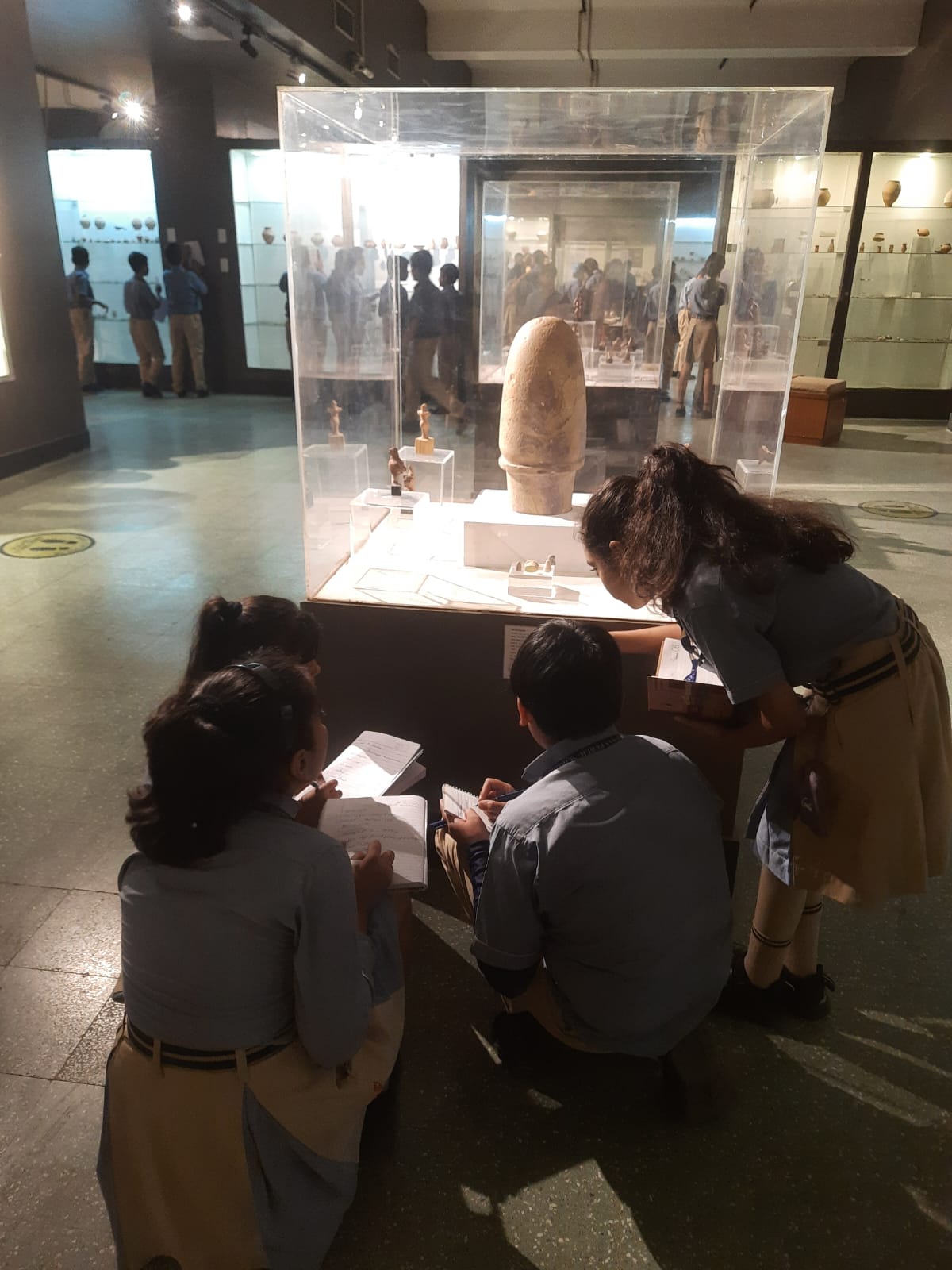
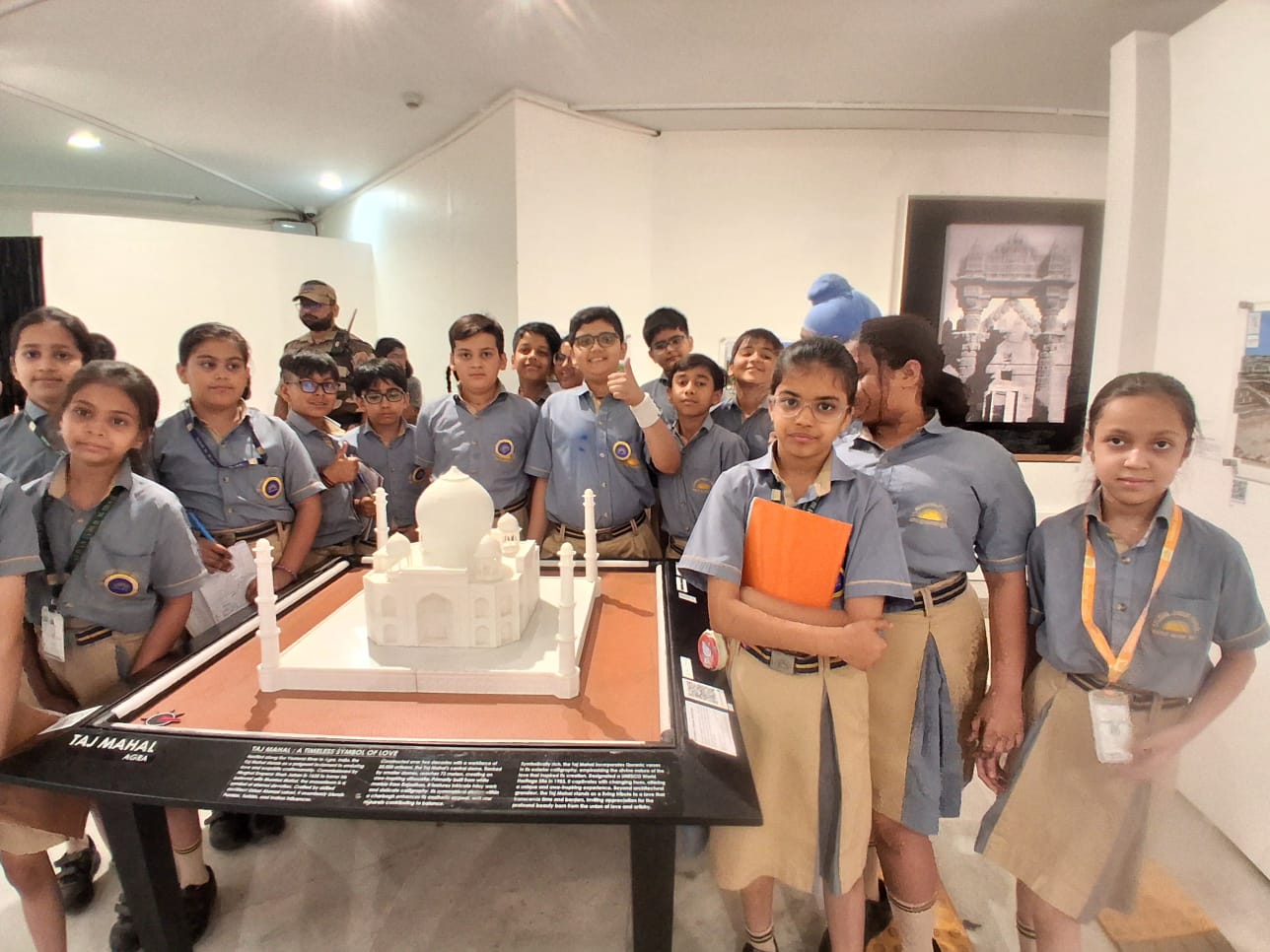
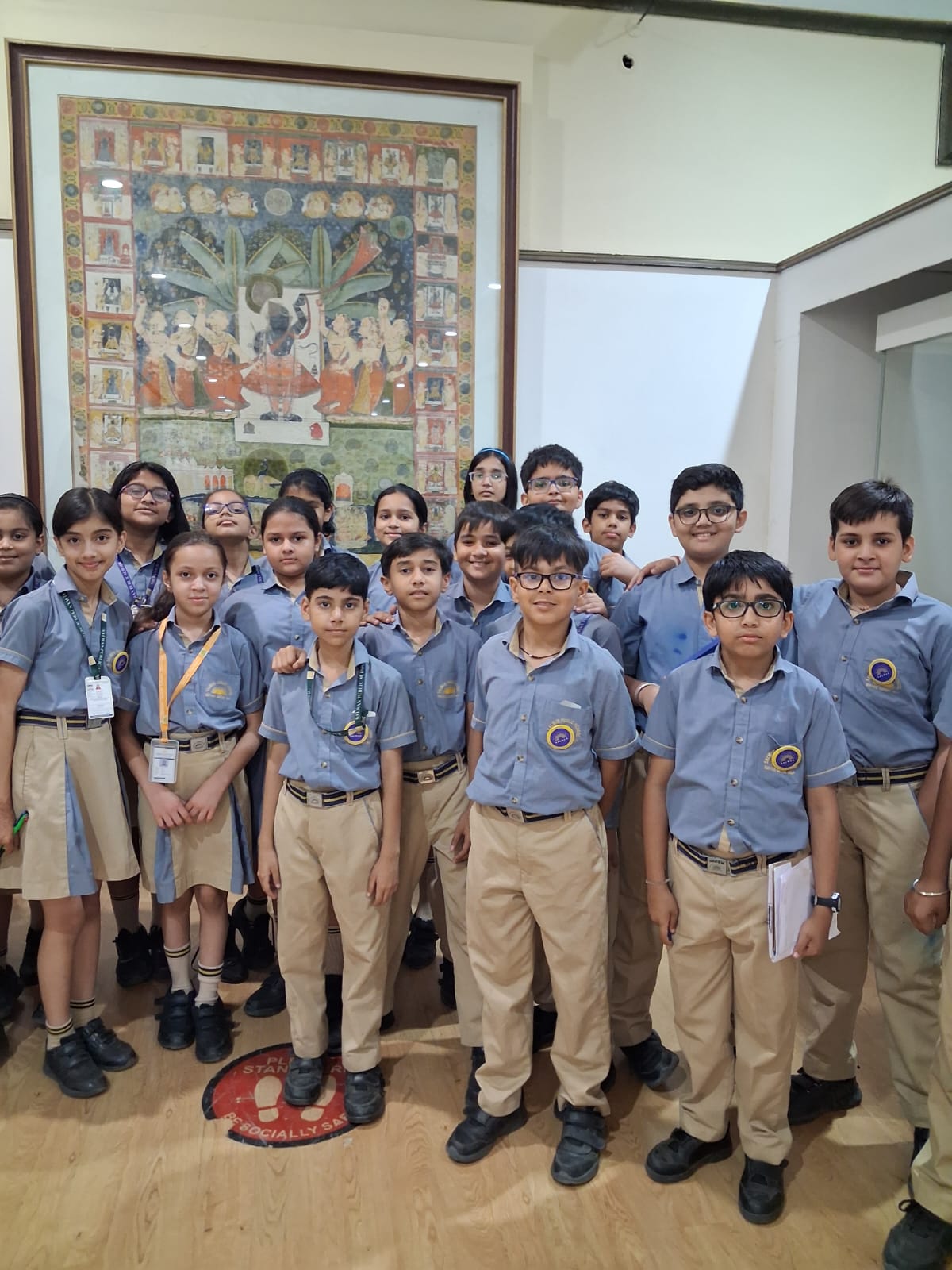
More than 200 students participated in the excursion, which was conducted in two batches. During the visit, students explored a wide range of galleries showcasing artefacts from ancient civilisations, including sculptures, pottery, tools, manuscripts, and coins. By closely observing the exhibits and engaging with the informational displays, students were able to connect classroom learning with real historical evidence.
The excursion strongly complemented Class VI Social Science chapter, ‘The Beginning of Civilisation.’ Students related key concepts such as early human life, tools, art, and cultural practices to the artefacts displayed in the museum, thereby reinforcing their conceptual understanding through direct experience. The visit also encouraged curiosity, observation, and inquiry-based learning.
Overall, the excursion proved to be highly enriching, offering students an engaging platform to learn beyond the classroom. It successfully aligned with the spirit of Heritage Day by fostering awareness, appreciation, and respect for India’s cultural legacy, making learning both meaningful and memorable.

Leave a Reply