


SET Continuous Professional Development (CPD)
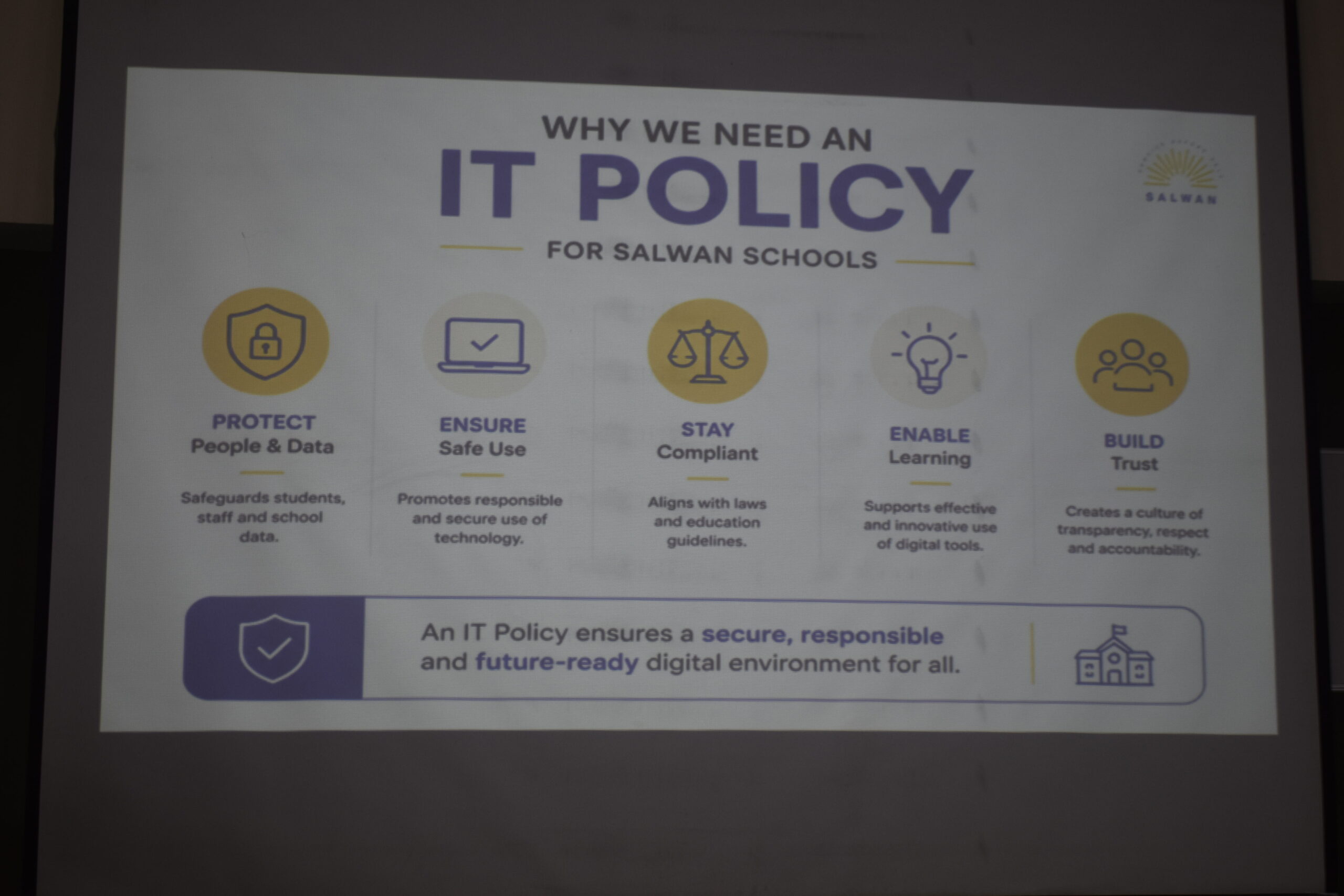
SESSION-1 : Demystifying the SET IT Policy
Presenter: Mr. Deepak Bablani
The session on Demystifying the SET IT Policy, facilitated by Mr. Deepak Bablani, provided educators and school administrators with a comprehensive walk-through of Salwan Education Trust’s institutional IT framework. Spanning multiple chapters of the SET IT Policy document, the session covered technology governance across five major domains: AI use and ethics, physical security infrastructure, data protection and backup, e-waste management, and disaster recovery planning. The objective was to demystify policy language and translate guidelines into practical, day-to-day responsibilities for all stakeholders.
This session served as a practical and thorough orientation to the SET IT Policy, making complex institutional guidelines accessible to all staff. Participants gained a clear understanding of their roles and responsibilities across AI governance, physical infrastructure, data security, disaster recovery, and e-waste management. The session reinforced that robust IT policy compliance is not merely a technical obligation but a shared institutional responsibility that safeguards students, staff, and the school’s operational integrity.
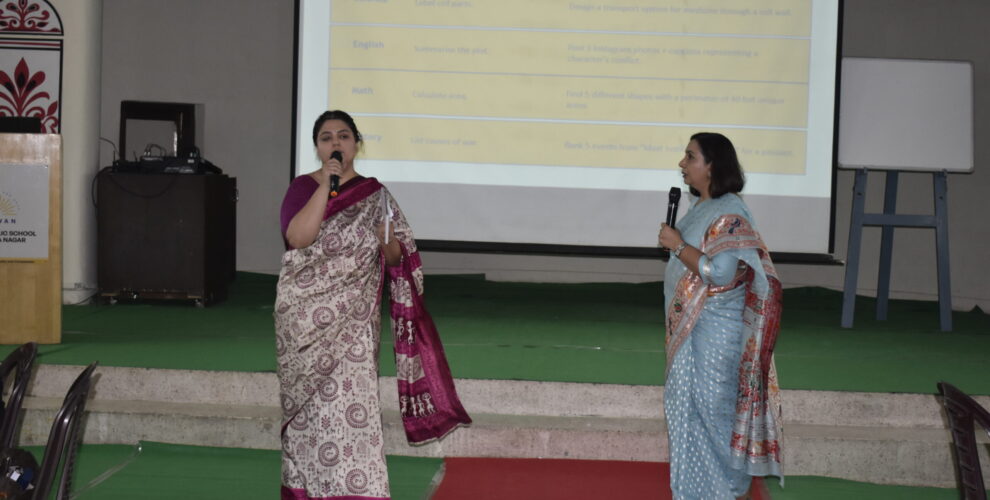
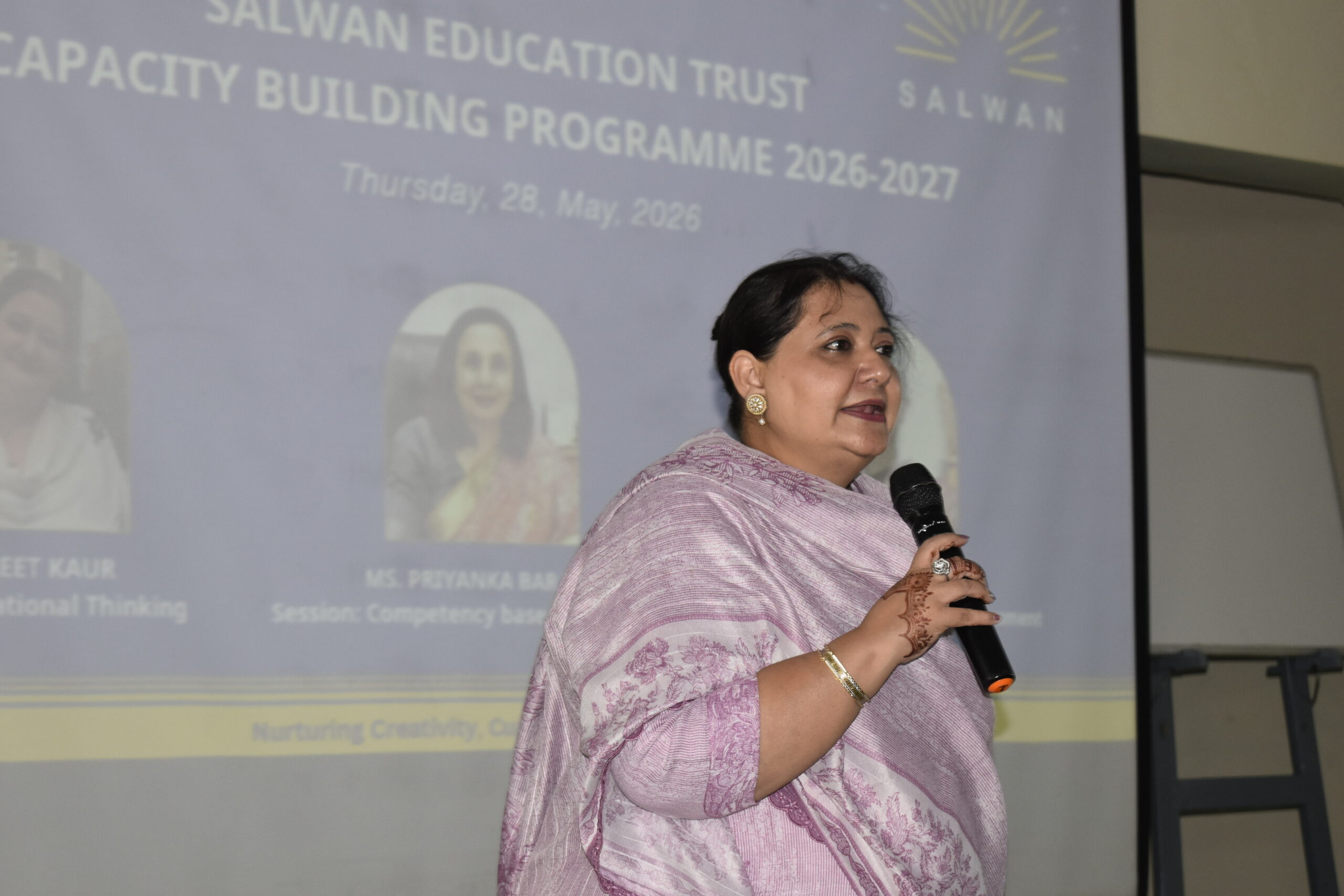
SESSION-2: Competency Based Assessment
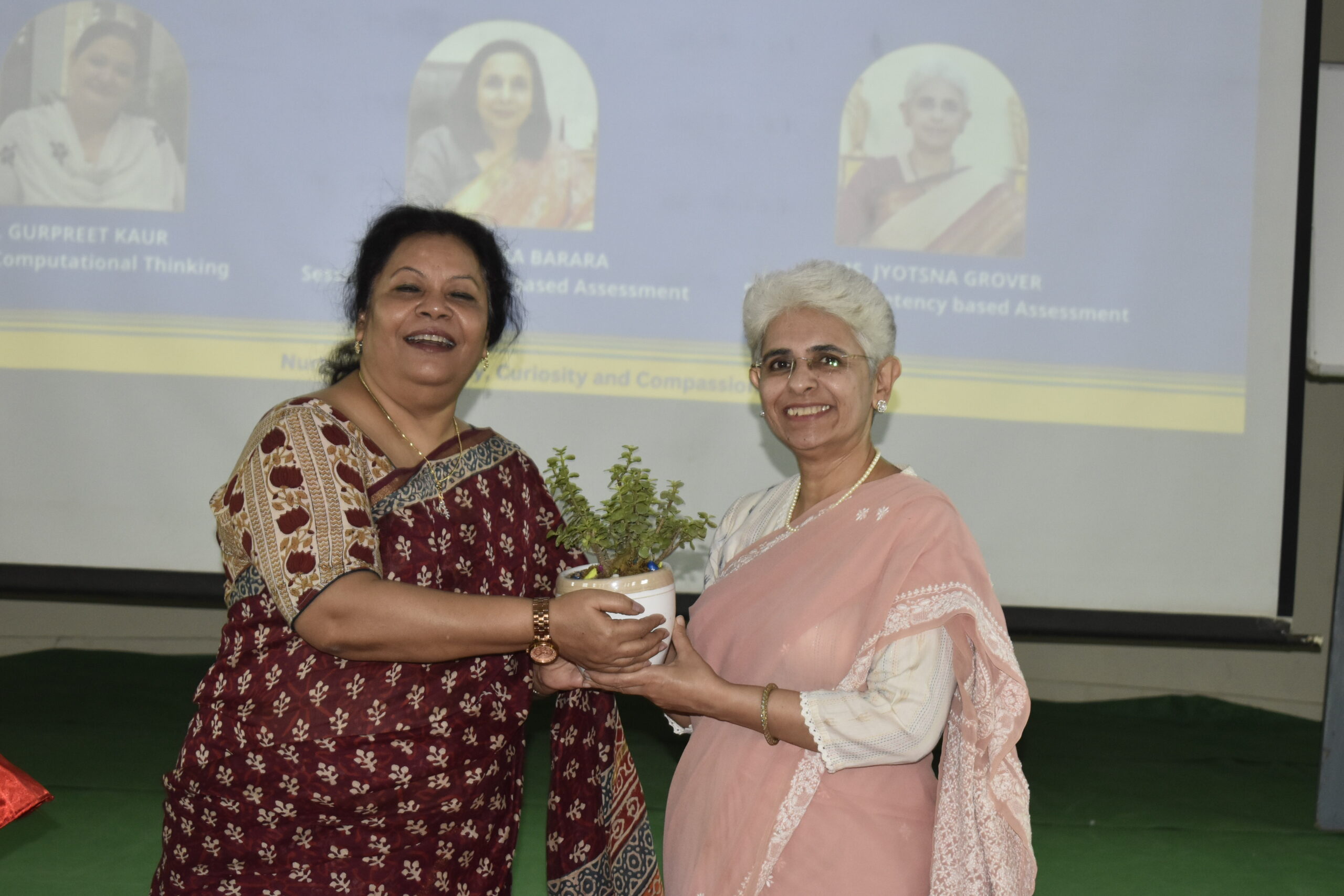
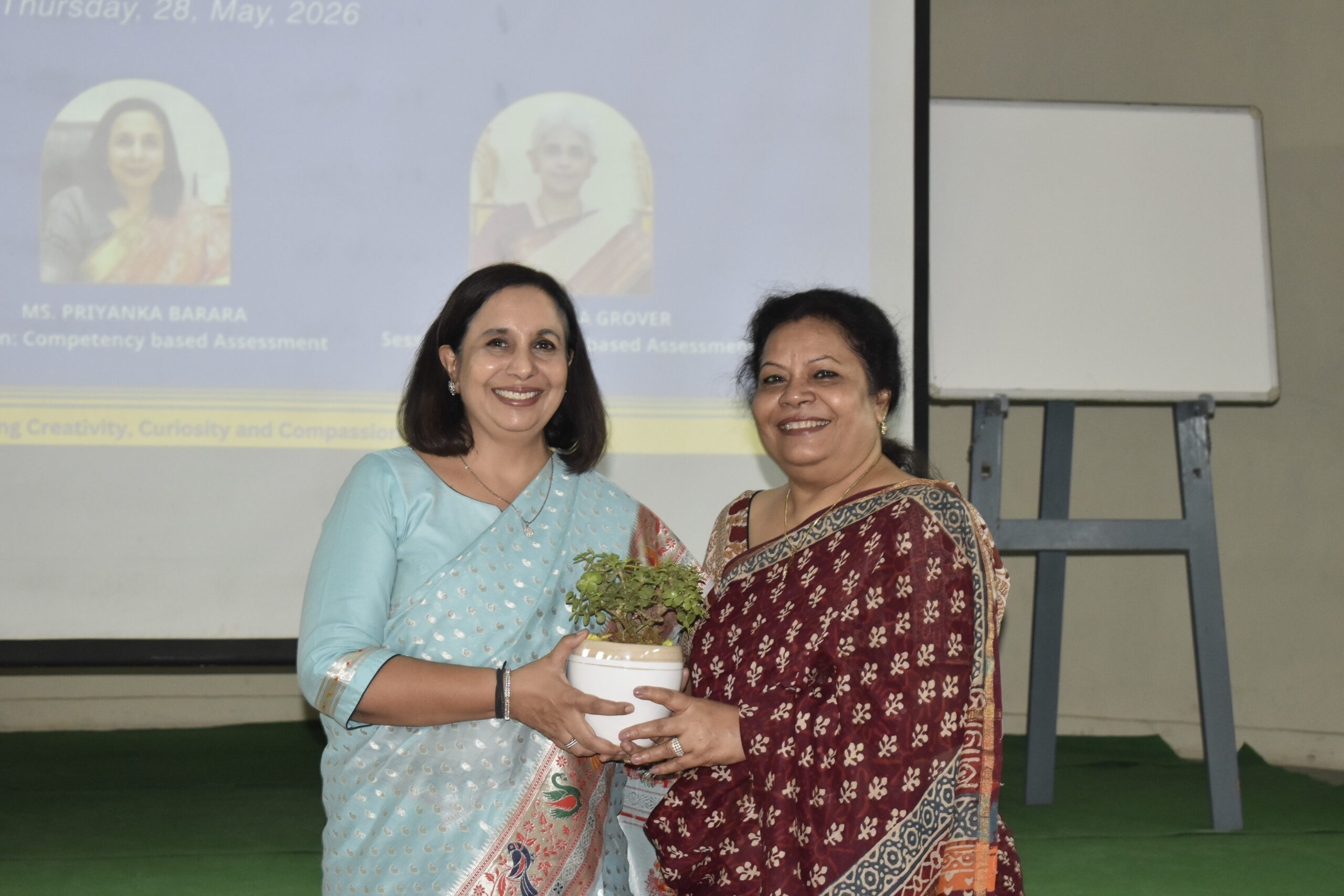
Presenters: Smt. Jyotsna Grover & Smt. Priyanka Barara
Smt. Jyotsna Grover and Smt. Priyanka Barara facilitated a session that shifted educators’ focus from rote memorisation to the meaningful application of knowledge, skills, and values in real-life contexts — the core principle of Competency Based Assessment (CBA).
Participants explored puzzle-based activities and riddles that highlighted the difference between rote recall and true competency. Grounded in Bloom’s Taxonomy, the session emphasised that competency-based assessment goes beyond theoretical higher-order questions to focus on authentic, performance-oriented tasks requiring students to design, analyse, solve, and apply. Through real-world examples from Social Science (designing a fair voting process) and Physical Education (cricket match strategy) , educators gained valuable insights into assessing learning through meaningful contexts that foster critical thinking, decision-making, and the practical application of knowledge.
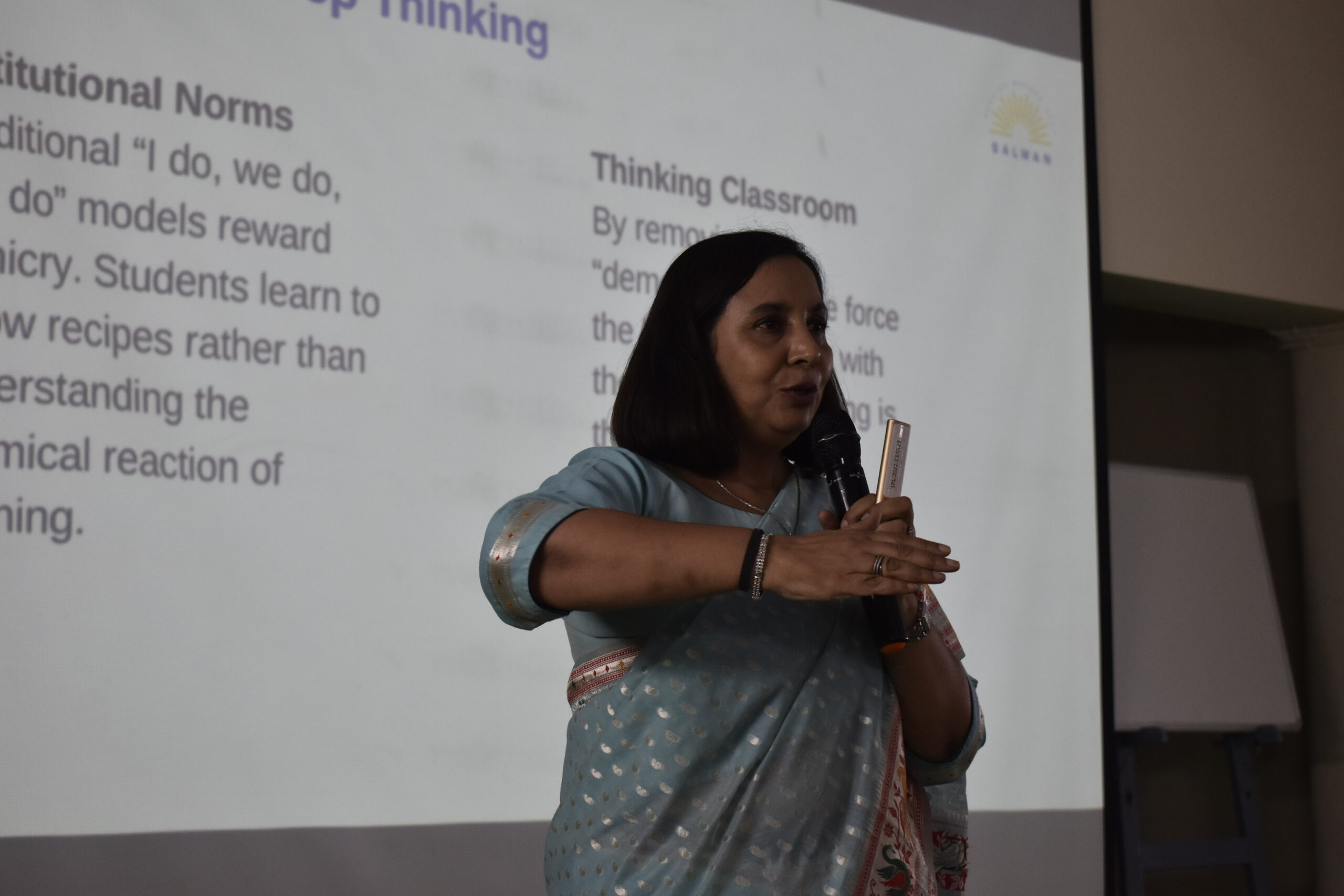
Referencing Prof. Peter Liljedahl’s Stanford research (2020) on Building Thinking Classrooms, the session demonstrated that students engage three times longer on vertical non-permanent surfaces and retain knowledge better through written consolidation. Low-floor, high-ceiling group tasks were modelled to include all learners while extending challenges for advanced thinkers.
Key takeaways: competency encompasses knowledge, skills, and attitudes; good questions reveal misconceptions; and teachers must transition from content deliverers to facilitators of inquiry. Action points included designing subject-specific CBA questions and developing thinking-classroom lesson plans for the July teaching cycle.
SESSION-3: Computational Thinking
Presenter: Dr. Gurpreet Kaur
Dr. Gurpreet Kaur’s session equipped educators with structured frameworks to help students solve real-world problems through logical reasoning, pattern recognition, decomposition, and algorithmic thinking — skills essential for creativity and responsible digital participation.
The session opened with the concept of the VUCA world (Volatile, Uncertain, Complex, Ambiguous), contextualising why Computational Thinking is indispensable in today’s rapidly shifting landscape. Large Language Models (LLMs) such as ChatGPT and Meta AI were discussed to underscore the urgency for students to engage critically with AI-powered technologies. Participants explored the five foundational pillars — Decomposition, Pattern Recognition, Abstraction, Logical Sequencing, and Algorithmic Thinking — and their cross-disciplinary applications. Hands-on exposure was provided through logic puzzles from KenKenPuzzle.com and pattern identification activities from Bebras.org.
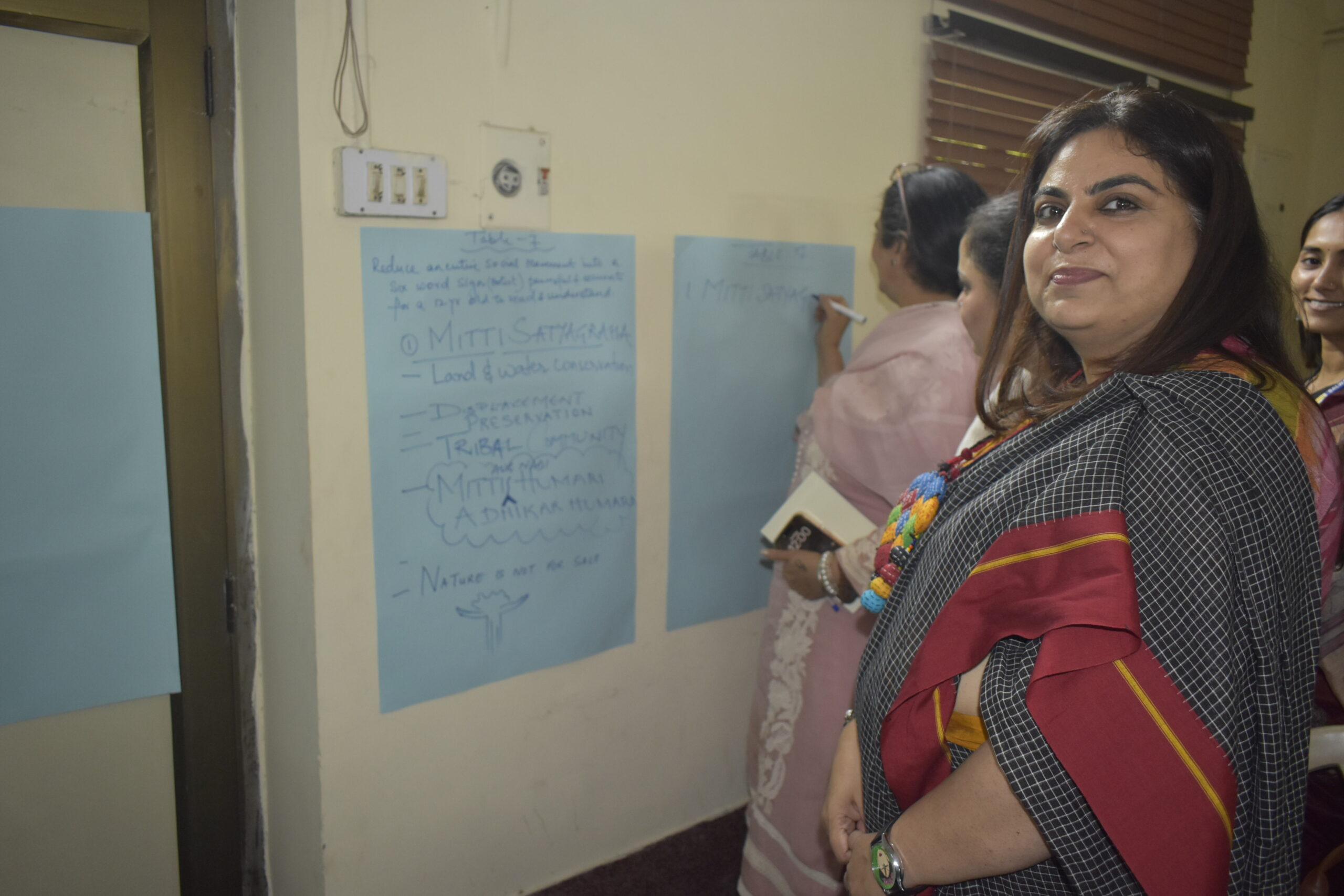
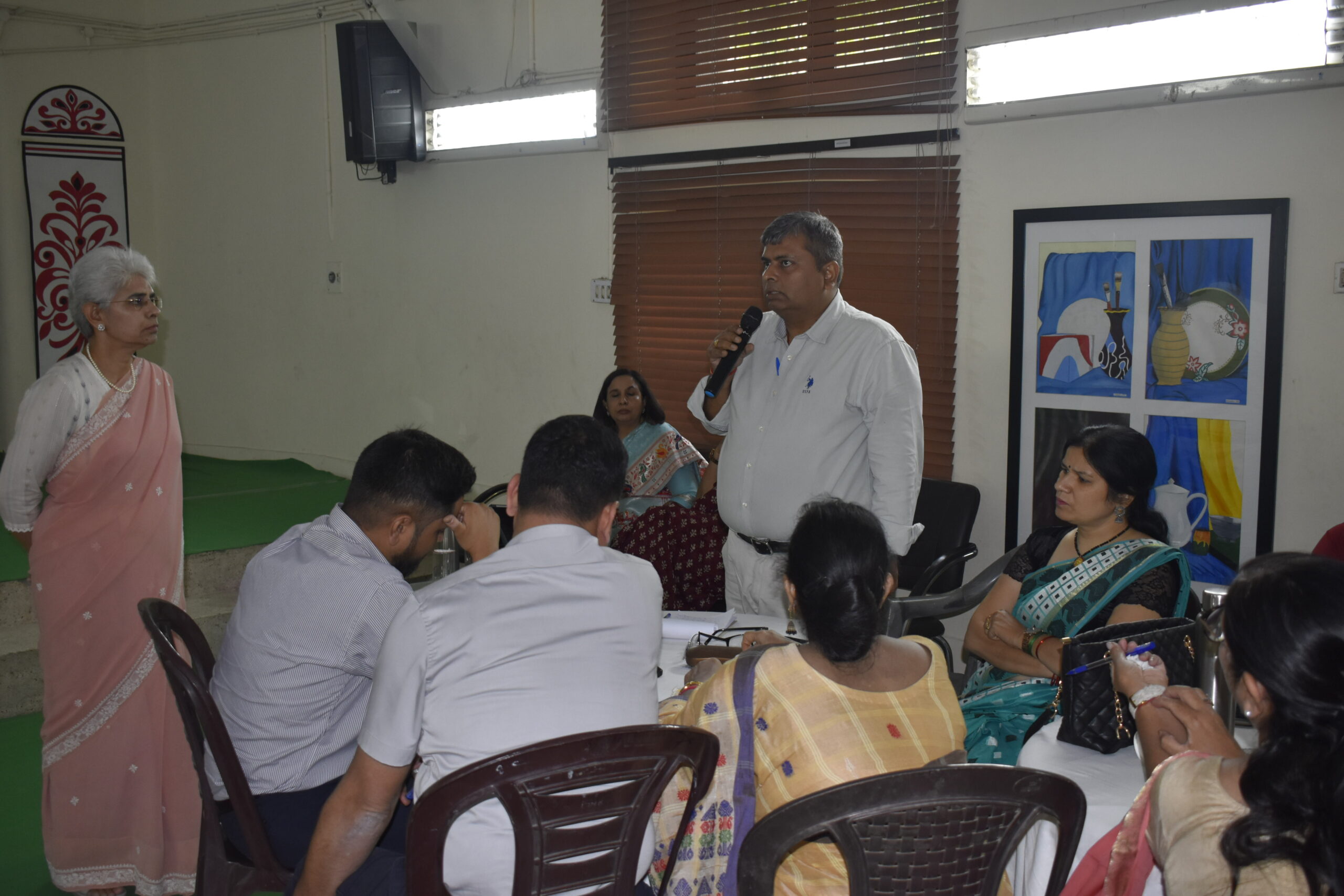
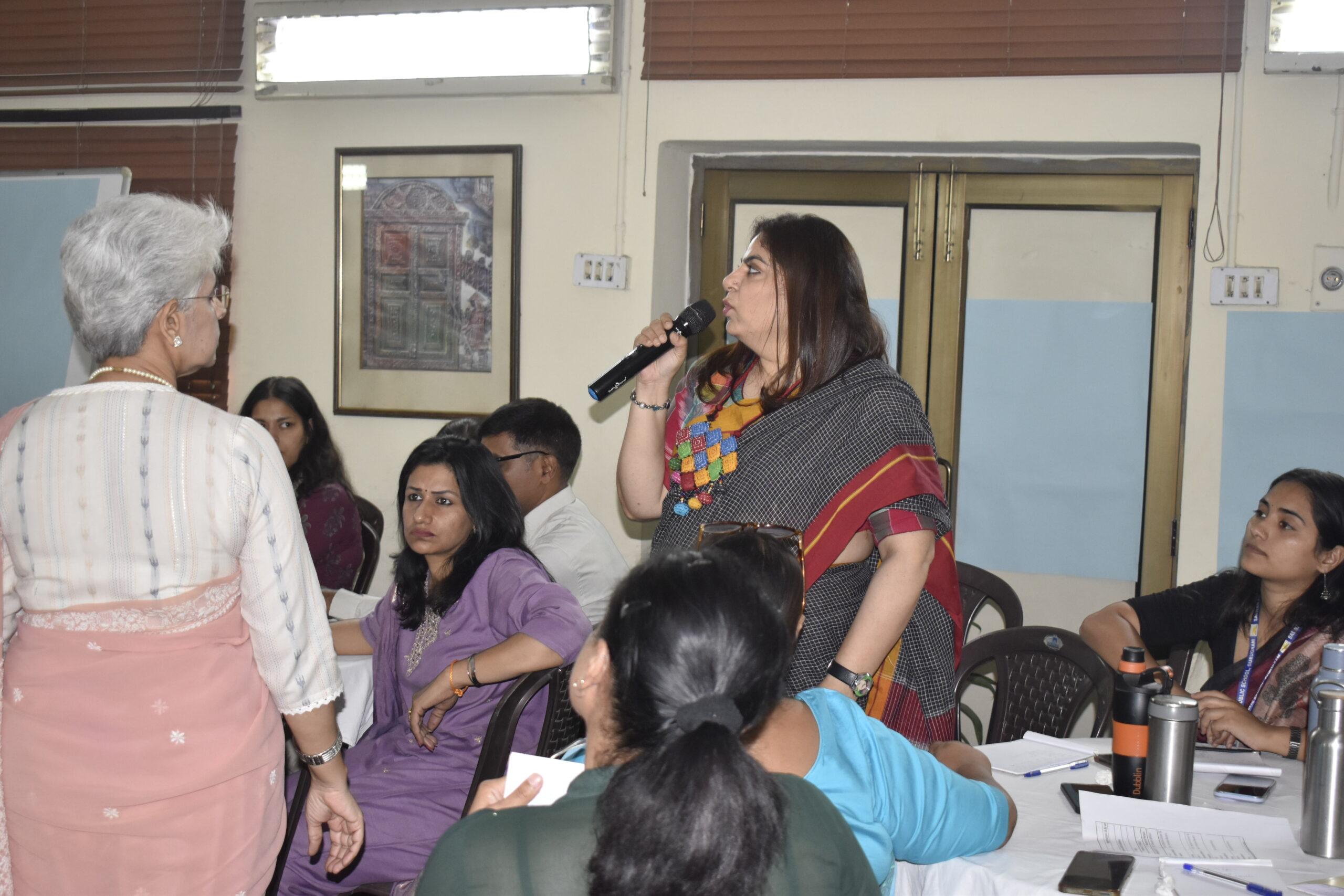
The day concluded with a reflection and feedback session led by the Senior Coordinator, Salwan Public School, TDSC. Participants consolidated takeaways and discussed actionable ways to embed Computational Thinking across all disciplines, reinforcing that these skills extend well beyond the computer science classroom.

Leave a Reply